The Real Story Behind What Pickleball Was Named After (It’s Not the Dog)
Ever wondered what pickleball was named after? The answer lies in crew rowing, not in a family pet. Pickleball was named after the “pickle boat,” a term used to describe a vessel crewed by leftover oarsmen from various teams. Joan Pritchard, wife of co-inventor Joel Pritchard, confirmed this origin herself. She explained that the game’s mix of borrowed equipment reminded her of those cobbled-together boats.
Key Takeaways
- Pickleball was invented in 1965 on Bainbridge Island, Washington, by Joel Pritchard, Bill Bell, and Barney McCallum.
- The name comes from the “pickle boat” in crew rowing, not from a dog named Pickles.
- Joan Pritchard, Joel’s wife, is the primary source confirming what pickleball was named after.
- The family dog, Pickles, was born in 1968, three years after the game was already named.
- The dog story spread after a national publication ran it in the early 1970s following a joking remark by Joel.
- Understanding pickleball’s origins helps you appreciate how its rules and equipment also borrowed from multiple sports.
How Pickleball Was Actually Invented and Named After Its Origins in 1965
The summer of 1965 started simply enough. Joel Pritchard, a Washington state politician who would later serve as a U.S. congressman, returned home to his property on Bainbridge Island, Washington, after a round of golf. His friend Bill Bell was with him. They found their kids bored and restless with nothing to do.
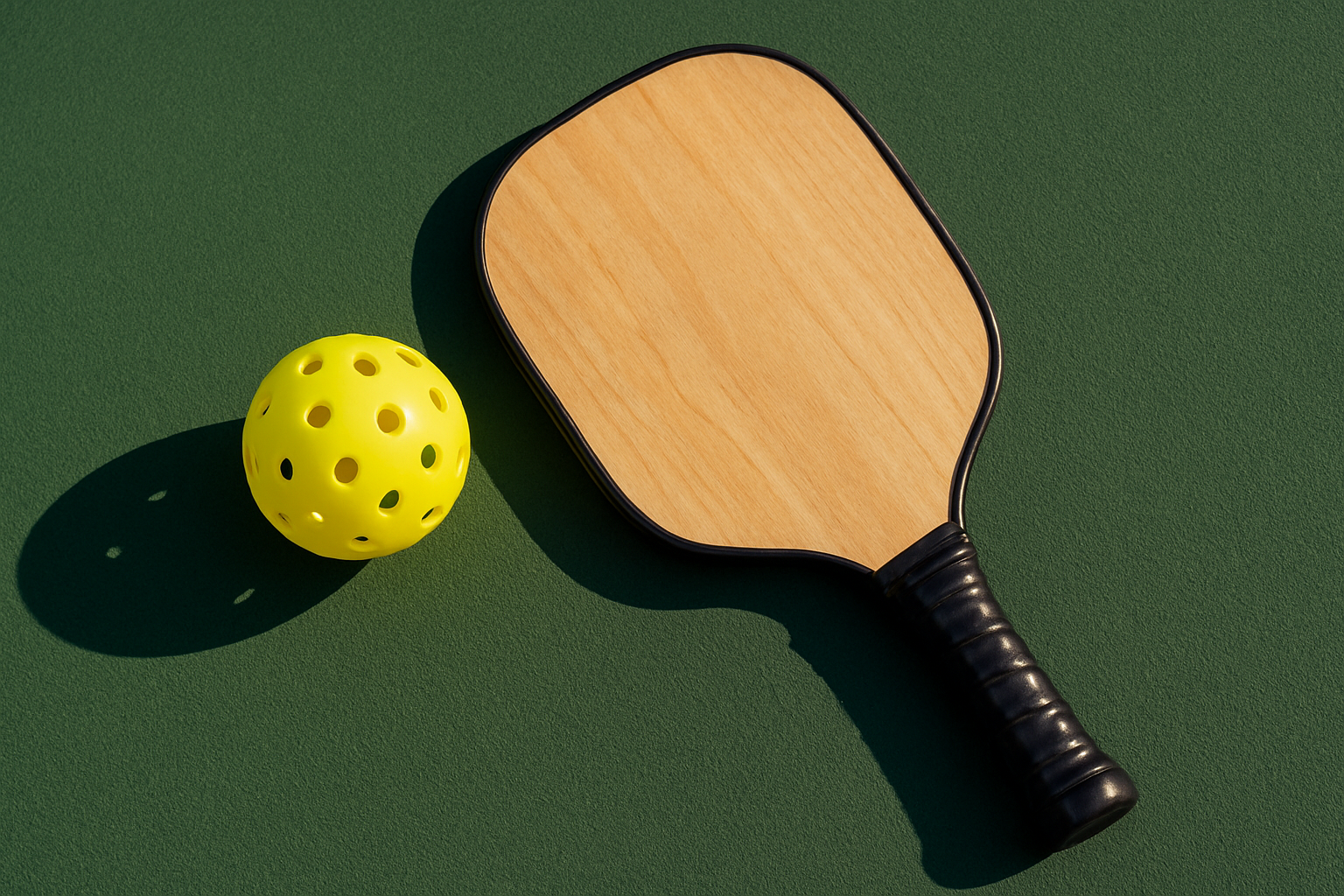
Rather than letting the afternoon slide by, Pritchard and Bell improvised. They grabbed old table tennis paddles. They found a perforated plastic ball similar to a wiffle ball. They set up a net on an existing badminton court.
The net started at badminton height, roughly 60 inches. However, it was later lowered to 36 inches at the sidelines, closer to tennis height. The game that emerged was something entirely new. Yet it was built entirely from pieces of what already existed.
Barney McCallum soon joined the group. The three men began refining the rules into something more structured. What they created was a hybrid sport that borrowed the court dimensions of badminton, the plastic ball concept from baseball training tools, and the paddle mechanics familiar to anyone who had played is pickleball like ping pong. If you’ve ever wondered about this connection, the answer is that they share some similarities in paddle control and shot finesse. In contrast, pickleball has a much larger court, a slower ball, and its own distinct rules and culture.
The inventors never envisioned their backyard experiment becoming a national phenomenon. Yet today, pickleball is the fastest-growing sport in the United States. The Sports and Fitness Industry Association reports over 36 million players as of recent years.
The Pickle Boat Explanation: What Pickleball Was Named After and Why
To understand what was pickleball named after, you have to go back to the world of competitive rowing. In crew races, particularly in collegiate settings, a “pickle boat” referred to a vessel made up of spare or leftover oarsmen from different teams. These weren’t the star athletes assembled for a top-tier race. They were the extras, pulled together from multiple squads to fill out a boat for a casual or secondary race.
Joan Pritchard recalled the tradition from at least as far back as 1938. Leftover rowers from various universities would compete in just-for-fun pickle boat races. The concept captured something informal and democratic about the event. Nobody on that boat was chosen for their elite status. They were chosen because they were available.
When Joan watched the new backyard game taking shape, the parallel struck her immediately. The game itself was a pickle boat of sports. It used a badminton court, table tennis paddles, a wiffle ball, and a net height inspired by tennis. Nothing about it was original in isolation. Everything about it was borrowed and remixed. She suggested the name Pickle Ball, and it stuck.
Joan Pritchard later confirmed this account in a newspaper column. She explained directly that the name came from the pickle boat metaphor, not from any family pet. This is the version the Pritchard family has consistently supported. Moreover, it is backed by the timeline of events.
| Origin Story | Source | Supported by Evidence? |
|---|---|---|
| Pickle boat in crew rowing | Joan Pritchard (co-inventor’s wife) | Yes, confirmed by family and timeline |
| Dog named Pickles | Misattributed joke from early 1970s | No, dog born 3 years after the game |
| Random naming | Various internet sources | No credible primary source |
The Dog Named Pickles: How a Joke Became Legend
Here is where the story gets genuinely interesting. The Pritchard family did have a dog named Pickles. That part is real. However, the dog was born in 1968, a full three years after pickleball was already invented and named. The dog did not inspire the name. If anything, the name inspired the dog.
So where did the dog story come from? In the early 1970s, a reporter from a national publication interviewed Joel Pritchard about the game. During the conversation, Joel made an offhand joking remark connecting the dog’s name to the sport. Whether he was being playful or just filling a moment in conversation, the reporter ran with it. The story was published. Because it was charming and easy to remember, it spread.
This is a pattern you see often in folklore and origin myths. A vivid, emotionally appealing story beats a nuanced, accurate one every time in casual conversation. A dog named Pickles chasing a ball is an image people hold onto. A discussion about crew rowing terminology requires a bit more context.
The Pritchard family eventually worked to correct the record. Joan Pritchard’s direct statement in print remains the clearest rebuttal. She was there. She came up with the name. She has been consistent in explaining exactly what she meant by it.

What the Name Reveals About What Pickleball Was Named After and Its Design
The pickle boat metaphor is actually a useful lens for understanding pickleball as it exists today. The sport was designed from the start to be accessible, not elite. You do not need to be an athlete from a specific discipline to enjoy it. You can be a former tennis player, a ping-pong enthusiast, a badminton hobbyist, or someone who has never played a racquet sport in their life.
That “leftover” spirit shows up in how the rules were constructed too. For example, the kitchen rule keeps power players from dominating the net. Understanding whats a dink in pickleball is essential because the sport rewards soft, precise placement over brute force. This levels the playing field in a way that few other sports manage so effectively.
Even the scoring system reflects the democratic origins of the game. Points can only be scored by the serving side. Therefore, a team that is behind always has a path back into the match. Knowing what does side out mean in pickleball is critical because the shift of serve is one of the most strategic moments in any game. It keeps both sides engaged throughout.
The game was built from parts nobody else was using. As a result, it became something entirely its own. The name reflects that perfectly.
Why Understanding What Pickleball Was Named After Still Matters Today
You might wonder why the origin of a sport’s name carries any real weight in 2024. The answer is significant. It shapes how the sport is understood and marketed. When people believe pickleball was named after a cute family dog, they see it as a quirky, accidental creation. When they know it was named after the pickle boat metaphor, they see it as a deliberately inclusive design philosophy.
The distinction also matters for the sport’s credibility. Pickleball is now recognized by the USA Pickleball Association. National and international bodies govern it. It is played in schools, retirement communities, private clubs, and professional leagues. As the sport matures, getting the historical record right becomes part of preserving its integrity.
The naming story has also become a teaching tool for coaches and community organizers. When introducing the sport to newcomers, referencing the pickle boat story helps explain why the game blends elements from so many different sports. It was designed that way from the beginning. Moreover, the mix was intentional, even if it started as a solution to a boring summer afternoon.
Things to Know
- Joan Pritchard, not Joel, is the person credited with suggesting the name “Pickle Ball” for the new game.
- The term “pickle boat” in crew rowing has been documented as far back as 1938, giving the metaphor a real historical foundation.
- The Pritchards confirmed that their dog Pickles was actually named after the game, reversing the popular assumption entirely.
- Joel Pritchard’s joking comment to a reporter in the early 1970s is likely the single event that caused the dog myth to spread nationally.
- The lowering of the net from badminton height to tennis-adjacent height was one of the early rule changes that shaped how the modern game plays.
- Pickleball’s borrowed-equipment origins are reflected in its rules, which blend elements from tennis, badminton, and ping-pong into a unique framework.
Frequently Asked Questions
Q: Was pickleball really named after a dog?
No, pickleball was not named after a dog, despite how widely that story circulates.
Joan Pritchard, the wife of co-inventor Joel Pritchard, stated clearly that she named the game after the pickle boat in crew rowing. The Pritchard family dog, Pickles, was born in 1968, three years after the game was invented and named in 1965.
Q: Who came up with the name “pickleball” and what was pickleball named after?
Joan Pritchard, Joel Pritchard’s wife, is credited with suggesting the name.
She drew a parallel between the game’s mix of borrowed equipment and the pickle boat in rowing. A pickle boat was crewed by leftover oarsmen from multiple teams. Her account has remained consistent. Furthermore, it is the most directly sourced version of the naming story.
Q: When and where was pickleball invented?
Pickleball was invented in the summer of 1965 on Bainbridge Island, Washington.
Joel Pritchard, Bill Bell, and Barney McCallum created the game using a badminton court, table tennis paddles, and a perforated plastic ball. The sport was designed to be easy enough for kids and adults to enjoy together.
Q: What is a pickle boat in crew rowing?
A pickle boat is a crew vessel made up of spare or leftover oarsmen pulled from different teams.
The term captures the informal, mixed nature of the crew, which mirrored how pickleball was assembled from parts of multiple other sports. Joan Pritchard saw that parallel clearly when she suggested the name.
Q: How did the dog myth about what pickleball was named after start?
The myth began when Joel Pritchard made an offhand joke to a national publication reporter in the early 1970s.
The reporter published the story connecting the family dog Pickles to the game’s name. Because it was a charming and memorable image, it spread widely. The Pritchard family has consistently clarified that the dog was named after the game, not the other way around.
The Bottom Line on What Pickleball Was Named After
Understanding what was pickleball named after gives you more than a trivia answer. It tells you something meaningful about why the sport was designed the way it was. The game is open, accessible, built from whatever was at hand, and welcoming to people from any athletic background. The pickle boat metaphor is not just an interesting footnote. It is a window into the philosophy that has made pickleball one of the most inclusive and rapidly growing sports in American history.
If you are new to the game or deepening your knowledge of it, start with the origins. The name itself is a guide to everything pickleball stands for.