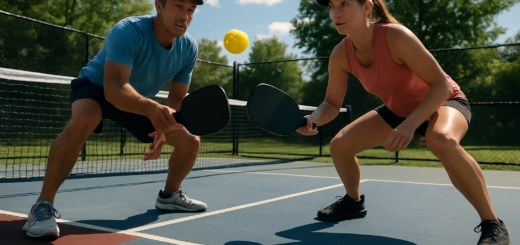
Pickleball Two Bounce Rule: What It Is and Why It Changes Everything About the Game
The pickleball two bounce rule requires that after the serve, both teams must let the ball bounce once before hitting it. The serving team waits for the return to bounce. The receiving team waits for the serve to bounce. This rule prevents either side from rushing the net immediately after the serve, keeping rallies balanced and strategic from the very first shot.
Key Takeaways
- The pickleball two bounce rule applies only to the first two shots of each rally: the serve and the return of serve.
- After both bounces have occurred, either team may volley the ball out of the air.
- The rule eliminates the serving team’s advantage of charging the net immediately.
- Misapplying this rule is one of the most common faults called in recreational and competitive play.
- Mastering the two-bounce requirement opens up the entire strategic landscape of court positioning.
- Both the server and the returner must let the ball bounce before their respective teams can approach the non-volley zone.
Why the Two-Bounce Rule Exists in the First Place
Pickleball was designed to be accessible to players of all ages and athletic abilities. However, the game still needed structure that prevented one side from dominating through brute force or sheer speed. Without the two-bounce requirement, the serving team could serve and immediately sprint to the non-volley zone, also called the kitchen, and put away a volley before the returning team had any chance to set up a reasonable defense.
The result would have been a sport where serves became high-pressure weapons. Additionally, rallies would rarely develop past two or three shots. That’s not what the founders of pickleball had in mind. By requiring both the serve and the return of serve to bounce before any player can volley, the rule forces a natural pause in movement.
Both teams must hang back initially. This levels the playing field and encourages longer, more tactical exchanges. This design philosophy is part of what makes pickleball different from tennis. In tennis, players can volley right after serving if they choose to rush the net. In pickleball, however, everyone starts the rally from a position of equal restraint. Strategy kicks in only after those first two bounces occur.
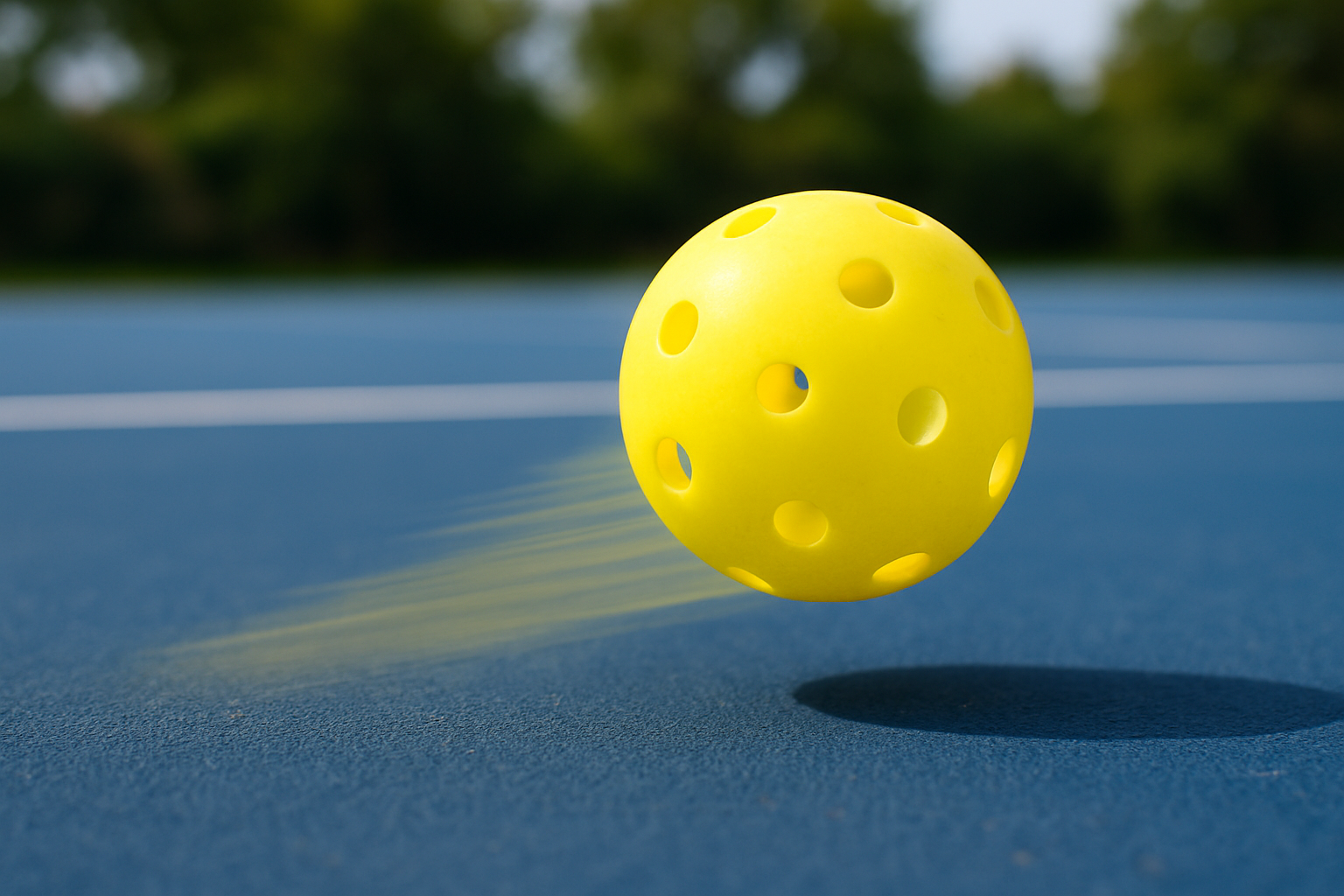
Exactly How the Pickleball Two Bounce Rule Works, Shot by Shot
Understanding the mechanics of the two-bounce rule becomes easier when you break it down by each player’s role in the first two shots of a rally.
The serve: The server hits the ball diagonally into the opponent’s service box. The receiving team must let this serve bounce before hitting it back. The receiving team cannot volley the serve out of the air. This is the first required bounce.
The return of serve: Once the receiving team hits the ball back, the serving team must now let that return bounce on their side before hitting it. The server and their partner cannot rush to the kitchen and volley the return. This is the second required bounce.
After both bounces: Once both the serve and the return have each bounced once, all restrictions on volleying are lifted for that rally. Any player on either team may now hit the ball out of the air or let it bounce, depending on their positioning and strategy.
Here is a quick breakdown of who must do what:
| Shot | Which Team Must Let It Bounce | Can They Volley? |
|---|---|---|
| Serve | Receiving team | No |
| Return of serve | Serving team | No |
| Any shot after that | Either team, optional | Yes |
The rule sounds simple. However, players make mistakes in real match situations. A common error happens when the server’s partner moves toward the kitchen while the return is in the air. If they hit that return before it bounces, it’s an immediate fault. Knowing how to keep score in pickle ball 2 matters. But avoiding this fault first is what keeps you in the game.
Common Mistakes Players Make With the Two Bounce Rule
Even experienced players misapply the two-bounce rule in ways that cost them points. Here are the situations that trip people up most often.
Confusing “two bounces” with “two bounces per side”: The rule does not mean the ball bounces twice on each side. Instead, it means the ball bounces once on the receiving side (the serve) and once on the serving side (the return). Total, across both sides, that’s two bounces before volleying is allowed.
The serving team’s partner creeping forward: In doubles, the server’s partner often stands near the non-volley zone line out of habit or impatience. If that partner volleys the return of serve before it bounces, the team loses the rally. The server and partner must both stay back and wait.
Thinking the rule applies throughout the whole game: Once the first two bounces happen, the rule is done for that rally. Many new players think they need to let every shot bounce. This dramatically limits their ability to attack at the kitchen line.
Foot faults overshadowing the bounce fault: New players spend a lot of energy worrying about kitchen foot faults. As a result, they lose track of whether they’re actually letting the ball bounce when they should be.
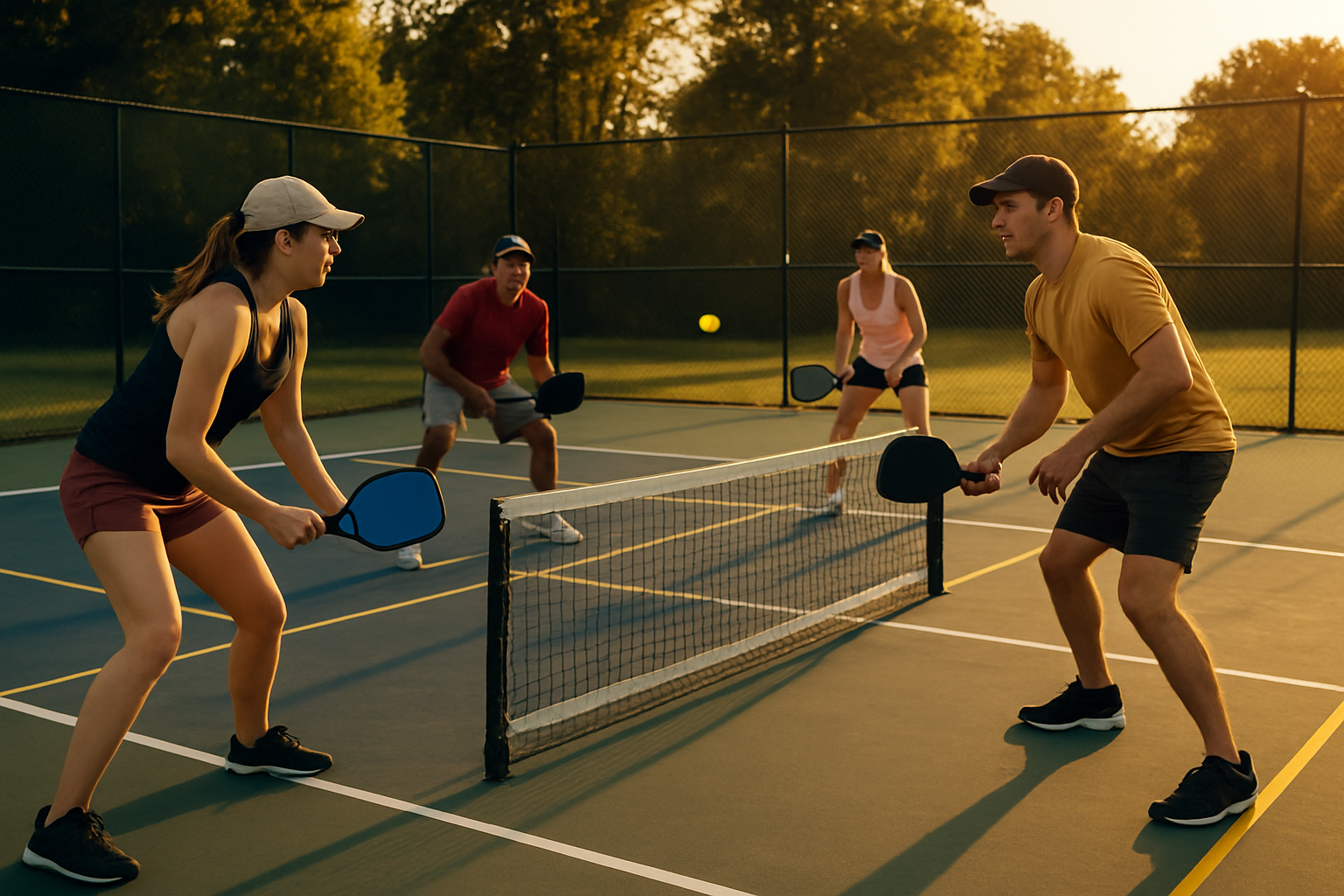
How the Pickleball Two Bounce Rule Shapes Your Court Strategy
The two-bounce rule isn’t just a technicality you need to avoid violating. It’s a strategic framework that determines where you should be standing and when you should be moving during every rally.
Because the serving team must wait for the return to bounce, they typically start each rally near the baseline. The receiving team, by contrast, has more flexibility. After the returner hits the ball back, they can immediately move toward the kitchen, since their bounce obligation is complete. This creates a positional advantage for the receiving team right at the start of each rally.
Smart players use this to their advantage. The returner should hit a deep, high return that forces the serving team to stay back and hit up on the ball. That gives the returner time to advance and join their partner at the non-volley zone, creating a two-on-one pressure scenario at the kitchen.
The serving team, meanwhile, should try to use a drop shot on their third shot. This shot comes after the serve and the return. The “third shot drop” is one of the most discussed skills in pickleball. It’s how the serving team neutralizes the receiving team’s positional advantage. A good third shot drop lands softly in the kitchen. This gives the serving team time to move forward themselves.
If you’re still exploring courts and locations to practice these techniques, check out where to play pickle ball now to find a court near you.
Things to Know
- The two-bounce rule is sometimes called the “double bounce rule” in older rulebooks. Both names refer to the same rule.
- The rule applies in both recreational and tournament play under USA Pickleball regulations.
- Even if the serve clips the net and lands in, the receiving team still must let it bounce before returning.
- A ball that bounces and then hits the net on the way back is still considered a live ball until it bounces a second time on the serving side, in some edge-case interpretations.
- The rule does not apply to the non-volley zone restriction. Those are two separate rules with different purposes.
- Beginners often rush forward too soon after serving because they forget the serving team must wait for the return to bounce before volleying.
Applying the Pickleball Two Bounce Rule in Competitive Play
At the recreational level, violations of the pickleball two bounce rule are usually self-called. Players are expected to acknowledge their own faults. In tournament play, line judges and referees may call the fault. However, because the shots happen fast, many violations still go uncalled.
At competitive levels, the strategic awareness around this rule becomes sharper. Advanced players use the mandatory waiting period to read the ball’s spin and plan their third shot drop. Additionally, they communicate with their partner about positioning. The rule doesn’t feel like a restriction to them anymore. Instead, it’s a built-in rhythm they’ve internalized.
For those getting more serious about their game, equipment also plays a role in executing these early-rally shots cleanly. The way you hold and swing your paddle affects your ability to land a controlled third shot drop. Reading a pickleball paddle weight guide can help you choose a paddle that supports better touch and control on those critical short shots near the kitchen.
Coaching programs in the U.S. frequently dedicate entire sessions to practicing the serve-return-drop shot sequence. This is where most amateur players leak the most points. Organizations like USA Pickleball and the Association of Pickleball Professionals (APP) both emphasize mastery of these foundational exchanges in their instructional materials.
Drills That Help You Internalize the Two-Bounce Requirement
Rather than just understanding the rule theoretically, you want to build it into muscle memory. Here are practical drills designed for that purpose.
Baseline rally drill: Both players start at their respective baselines and hit groundstrokes only, letting every ball bounce. This removes the temptation to rush and reinforces the patience the two-bounce rule demands.
Serve and stay drill: The server hits a serve, their partner holds position at the baseline, and both wait for the return to bounce before either player moves forward. This trains the serving team not to creep in prematurely.
Third shot drop practice: After allowing the two bounces to complete properly, the server works on hitting a controlled drop shot as their third shot. Repetitions build the connection between waiting out the bounces and transitioning into an attack shot.
Call the bounce out loud: During informal practice, have players verbally call “bounce” each time the ball hits the ground during the first two shots. This active reinforcement speeds up internalization significantly.
Frequently Asked Questions
Q: Does the two-bounce rule apply in singles pickleball?
Yes, the two-bounce rule applies in both singles and doubles pickleball. The requirement is the same regardless of how many players are on each side. The serve must bounce before the receiver hits it. Additionally, the return must bounce before the serving team hits it back.
Q: What happens if a player volleys the return of serve by mistake?
It counts as a fault, and the opposing team wins the rally. In recreational games, players are expected to call this on themselves. In sanctioned tournament play, a referee may call the fault if it’s observed clearly.
Q: Can the server move toward the kitchen before the return of serve bounces?
The server can move physically, but they cannot hit the ball until it bounces. There is no rule preventing movement, only a rule preventing contact before the bounce. That said, moving too far forward before the bounce creates risk, since the player may not be in a good position to let the ball drop cleanly.
Q: Is the two-bounce rule the same as the non-volley zone rule?
No, these are two completely separate rules. The two-bounce rule applies only to the serve and return of serve at the start of a rally. The non-volley zone rule applies throughout the entire rally and restricts where you can stand when hitting a volley.
Q: Why do some people call it the “double bounce rule”?
Older versions of the USA Pickleball rulebook used the term “double bounce rule.” The rule itself has not changed, only the name. Both terms describe the same requirement: the ball must bounce once on each side before either team can volley it in a rally.
The Bottom Line on the Pickleball Two Bounce Rule
Mastering the pickleball two bounce rule is one of the first real milestones in becoming a competent player. It reframes the serve and return phase of every rally from a chaotic scramble into a structured, strategic exchange. Positioning and patience matter as much as power.
Start by running through the serve-return-drop sequence in practice. Do this until the correct response to each shot becomes automatic. Once you stop thinking about whether you’re allowed to volley and start thinking about where to place your shot, your game will improve noticeably. Get to a court, practice those first two shots deliberately, and the rest of your game will follow.