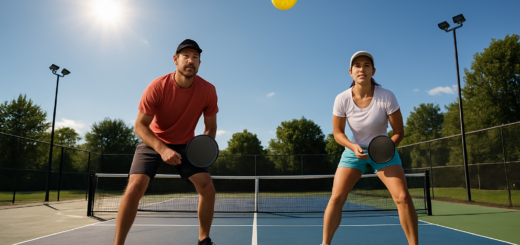
What’s a Dink in Pickleball and Why It Changes Everything About Your Game
A dink in pickleball is a soft, controlled shot hit from the non-volley zone that arcs gently over the net and lands in the opponent’s kitchen. Moreover, it is arguably the single most important shot in the entire game, separating casual players from genuinely competitive ones.
Key Takeaways
- A dink is a soft shot designed to land in your opponent’s non-volley zone, making it nearly impossible to attack.
- Proper dink technique relies on shoulder movement, an open paddle face, and minimal backswing.
- Dink rallies are strategic battles, not passive exchanges — they force errors or create openings.
- Placement variation (forehand, backhand, middle, wide) separates good dink players from great ones.
- The kitchen rules make dinks necessary — understanding those rules helps you understand why dinks work.
- Even beginners can start building dink consistency early; it is never too late to develop this skill.
The Official Definition — What the Rules Say About Dinks
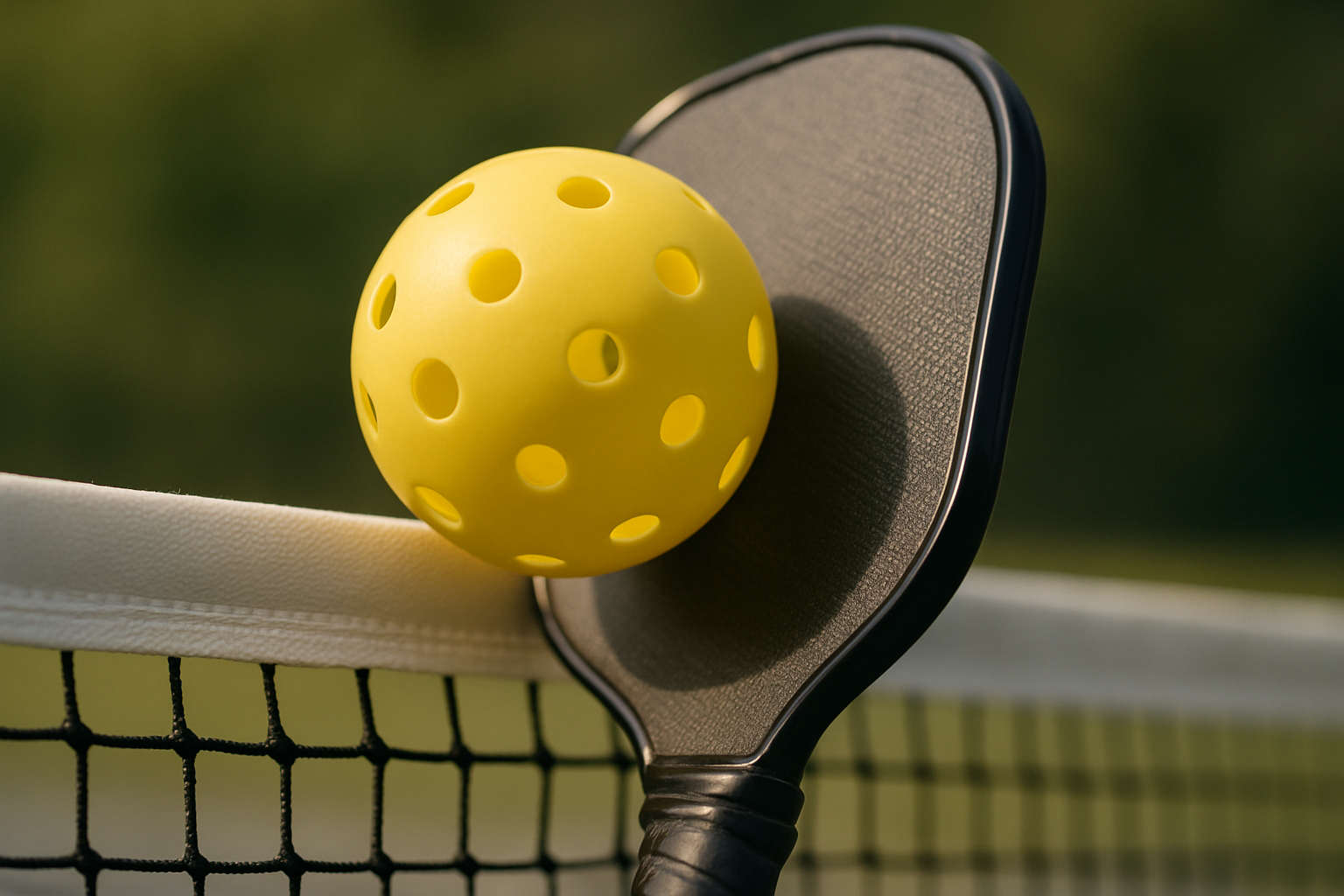
USA Pickleball defines a dink as “a soft shot hit on a bounce from the NVZ intended to arc over the net and land within the opposing NVZ either straight across or diagonally crosscourt.” That definition contains important details worth examining closely.
First, the shot must be hit after a bounce. You cannot volley a dink from mid-air while standing inside the kitchen. This connects directly to the non-volley zone rules that govern so much of pickleball strategy. Additionally, if you are curious about the terminology around scoring and position changes near the net, understanding what does side out mean in pickleball is a helpful complement to learning dink mechanics, since both concepts shape how points unfold at the net.
Second, the ball must arc over the net. This is not a hard-driven shot — the arc is intentional. It keeps the ball low after it crosses the net, giving your opponent very little opportunity to generate downward power on their return.
Third, the ball must land in the opposing non-volley zone, which is the 7-foot area on each side of the net often called the kitchen. If the ball lands beyond that zone, it becomes attackable. That distinction matters enormously during a rally.
The simplest way to think about a dink in pickleball: a controlled, strategic drop shot designed to stay unattackable.
Why a Dink is the Most Important Shot in Pickleball
The dink exists because of pickleball’s most defining structural rule — no one can stand inside the kitchen and hit a volley. That single rule forces players into a completely different tactical framework than you would find in tennis or badminton.
In tennis, the net player can poach aggressively. In pickleball, both players at the kitchen line must wait for a ball to bounce before they can hit it from inside the zone. This creates a situation where a perfectly placed soft shot becomes more powerful than a hard-driven ball. A blistering drive can be blocked or redirected. However, a well-placed dink, low over the net and deep in the kitchen, gives your opponent almost nothing to work with.
This is why many coaches describe the dink as the foundation of net play. You are not being passive when you dink. Rather, you are forcing your opponent to make a difficult decision: lift the ball and risk giving you an attackable shot, or dink it back and continue the rally under pressure.
The strategic reality is compelling: most points at competitive levels are won not by a spectacular drive but by an error created through a prolonged dink rally. When one player finally hits a dink that rises slightly too high, the other player puts it away. The dink rally is the setup, and the attack is the payoff.
| Shot Type | Power | Control | Risk | Placement Precision Needed |
|---|---|---|---|---|
| Dink | Low | High | Low | Very High |
| Drive | High | Low | High | Moderate |
| Drop Shot (3rd ball) | Low | High | Medium | High |
| Lob | Variable | Medium | High | High |
| Volley | Medium | Medium | Medium | Moderate |
Proper Dink Technique — How to Hit This Shot Correctly
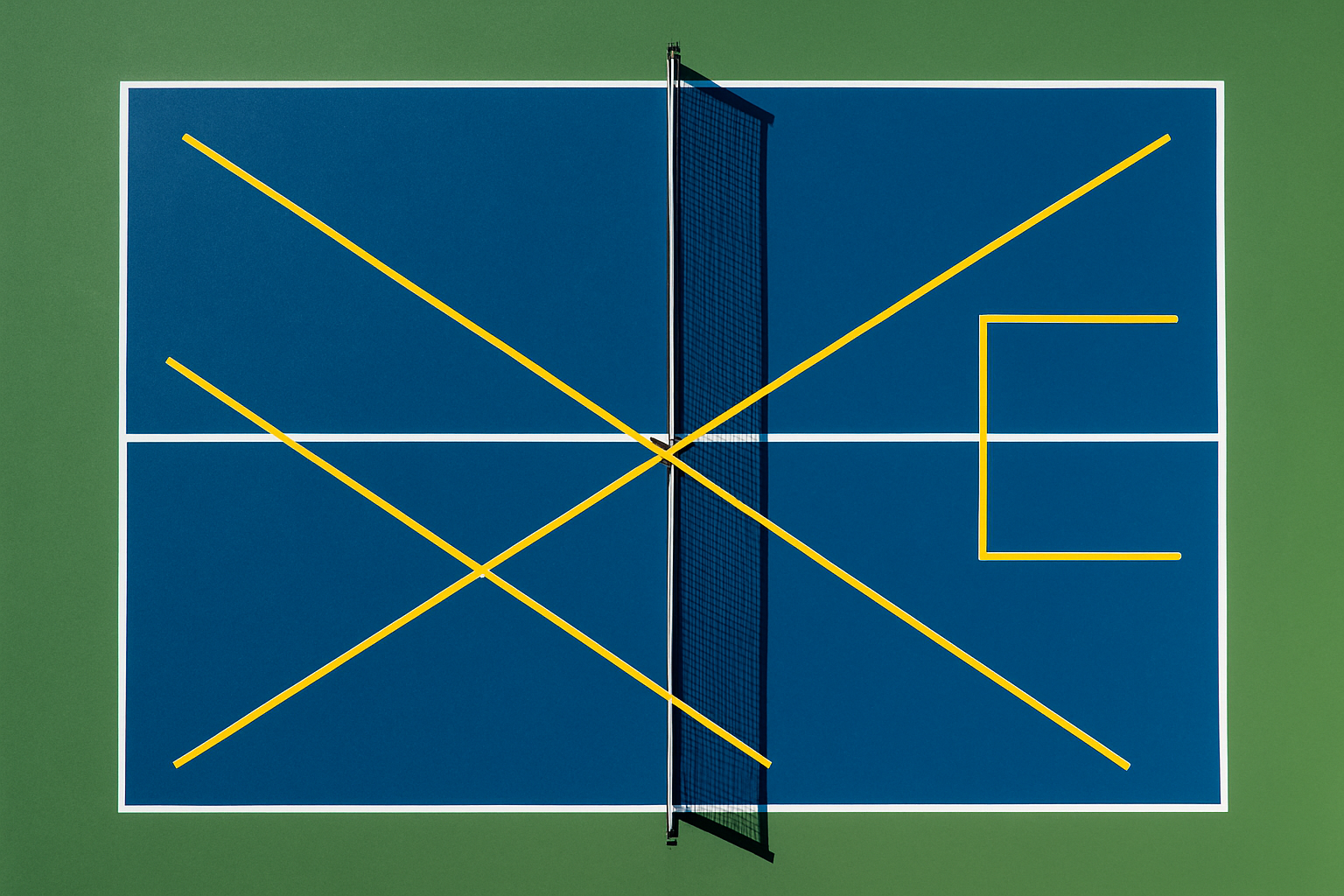
Understanding what a dink is conceptually differs from executing it consistently under pressure. There are a handful of technique fundamentals that experienced coaches emphasize repeatedly.
Paddle face angle: Keep your paddle face slightly open, meaning tilted back. This helps the ball lift gently over the net without requiring hard swinging. A closed paddle face drives the ball down, which often sends it into the net on a soft shot.
Shoulder-driven movement: USA Pickleball emphasizes that the dink should be executed “with movement from the shoulder, no wrist break and minimal or no backswing.” This is the detail most beginners miss. Wrist flicking adds uncontrolled power and makes the ball pop up, giving your opponent an easy attack. Keep the wrist firm and let the shoulder do the work.
Contact point: Hit the ball in front of your body, not beside or behind you. Hitting out front gives you visibility, control, and the ability to direct the ball where you want it.
Swing size: Keep the swing small and compact. Less is more. The more you try to muscle the shot, the less control you will have. Therefore, think of the motion as a gentle lifting action rather than a swing.
Body position: Stay low with slightly bent knees. This allows you to stay stable through the shot and recover quickly for the next ball. Players who stand upright tend to lose balance when reaching for wide dinks.
A useful drill is to stand at the kitchen line with a partner and sustain a cross-court dink rally for 50 to 100 consecutive shots. The goal is not speed. Instead, the goal is to find a rhythm and feel how little swing is actually needed to clear the net consistently.
Things to Know About Dinks in Pickleball
- The dink must be hit after a bounce if you are inside the non-volley zone. You cannot volley from the kitchen.
- Cross-court dinks travel a longer distance, which gives the ball more time to arc and drop — making them slightly easier to keep low.
- A dink that rises above net height when your opponent is at the kitchen line is considered attackable and will likely be put away.
- Your grip pressure matters. Many beginners grip the paddle too tightly, which kills the soft feel you need for a consistent dink.
- Additionally, if you are selecting equipment for dink-heavy play, note that paddle weight and material affect touch significantly, and whats the most overrated pickleball paddle can save you money and frustration when you learn to avoid overhyped stiff paddles that hurt your soft game.
- Dink rallies can last 20 or more shots at advanced levels. Patience becomes a strategic tool, not a weakness.
Advanced Dink Strategy — Moving Beyond the Basics
Once you can sustain a dink rally consistently, the next step involves using placement as a weapon. Advanced players rarely dink to the same spot more than two or three times in a row. Repetition gives your opponent a comfortable rhythm, and comfortable opponents make fewer errors.
Here are the core placement variations used at competitive levels:
- Forehand to backhand: Most players are weaker on the backhand side. Moving the ball from their forehand to backhand within a rally disrupts their rhythm and forces a different body position.
- Wide to middle: Pulling a player wide opens up the middle of the court. After a wide dink, a middle dink can be even harder to handle because the player must reset their positioning.
- Flat vs. angled: Straight-ahead (down the line) dinks travel the shortest distance. In contrast, cross-court dinks use more of the court. Mixing these two directions forces your opponent to cover more ground.
- Speed variation: Not all dinks need to be equally soft. A slightly faster dink pushed at your opponent’s feet, called a speed-up or pace change, can disrupt their timing and produce a weak return.
The goal of dink strategy is not to hit a perfect shot every single time. Rather, the goal is to create an imperfect situation for your opponent and capitalize when the ball sits up.
One important reality to accept: dink rallies require patience. There is often a temptation to drive the ball or try to end the rally too early. However, resisting that temptation is itself a skill. The player who waits for the right moment, rather than forcing an attack, consistently wins more points during net exchanges.
It is also worth noting that pickleball is a sport with a remarkably open age range. Therefore, research on at what age is it too late to start pickleball makes it clear that the sport is highly accessible regardless of when you begin, and soft-game skills like dinking often develop faster than athletic power-based skills.
Common Mistakes That Undermine Your Dink
Even players who understand the concept of dinking often fall into predictable errors during live play:
- Too much backswing: This is the most common beginner mistake. A large backswing introduces too much power, sending the ball long or too high.
- Hitting late: Making contact with the ball beside or behind your hip reduces control significantly. Work on getting into position early so you can hit out front.
- Standing too upright: Height creates leverage problems on low balls. Staying low keeps your swing plane consistent.
- Wrist movement: Breaking the wrist through contact adds spin or pop that is difficult to control on a soft shot.
- Hitting from inside the kitchen without a bounce: This is a fault. If the ball has not bounced, you must let it clear the kitchen line before volleying.
Fixing these mistakes is largely a matter of deliberate practice. Slow, patient drilling with a partner at the kitchen line builds the muscle memory that carries over into game situations.
The Bottom Line on What’s a Dink in Pickleball
What’s a dink in pickleball? It is a soft, controlled shot that lands in the opponent’s non-volley zone after a bounce, designed to stay low and unattackable. More than just a defensive reset, the dink is the central offensive tool at the kitchen line. It creates pressure, generates errors, and sets up winning opportunities.
If you are working on your pickleball game right now, start with your dink mechanics before anything else. Spend 15 minutes at the start of every practice session in a cross-court dink rally with your partner. Focus on shoulder movement, a compact swing, and consistent arc. As your placement control improves, start introducing variation in direction and pace. That progression, from consistency to variation, is how recreational players become competitive ones.
Frequently Asked Questions
Q: Can you dink from outside the kitchen?
Yes, you can dink from anywhere on the court, but the most common dink situations occur at the kitchen line.
A dink is defined by its trajectory and landing zone, not by where you hit it from. That said, the tactical value of dinking is highest when both players are already at the non-volley zone line, because that is where the kitchen rules constrain aggressive volleying.
Q: Is a dink the same as a drop shot in pickleball?
A dink and a drop shot are related but not identical in how they are used.
A drop shot, particularly the “third shot drop,” is typically hit from the baseline with the goal of landing in the kitchen and getting your team to the net. In contrast, a dink is usually hit from the kitchen line during a rally. Both prioritize soft placement over power.
Q: How do you keep dinks low over the net?
Keep the ball low by using a slightly open paddle face, a compact swing, and contacting the ball out in front of your body.
The temptation is to add wrist or swing speed to clear the net, but that almost always sends the ball too high. Therefore, trust a small lifting motion from the shoulder. Practice at slow speed first, then add placement targets.
Q: What is an “attackable” dink?
An attackable dink is one that rises to or above net height, giving your opponent a downward angle to drive the ball aggressively.
The goal of every dink is to stay below net height after crossing, so your opponent must lift the ball to return it. Once a dink sits up above net height, it becomes a setup for your opponent rather than a pressure point.
Q: How long does it take to develop a reliable dink?
Most players can develop a consistent basic dink within four to eight weeks of regular practice with focused drilling.
Advanced placement control and the ability to maintain long dink rallies under pressure takes considerably longer, often several months of competitive play. Consistent drilling at the kitchen line accelerates the process significantly.