What Is Open Play Pickleball and How Does It Actually Work?
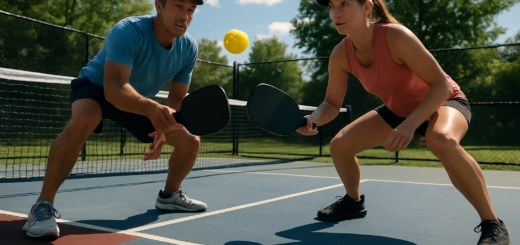
What is open play pickleball? It’s a drop-in format where players of any skill level show up to a designated session, place their paddle in a rack, and rotate into games without needing a scheduled match or a pre-arranged partner. Additionally, it’s the most common way new and recreational players get court time. Therefore, the format is built around community, variety, and accessibility.
Key Takeaways
- Open play pickleball requires no prior scheduling or partner, making it easy to drop in and start playing
- Players rotate using a paddle rack system, keeping court time fair and games moving quickly
- Most sessions run games to 11 points, win by 2, with no referee present
- Many facilities separate players by skill level using ratings like DUPR or USA Pickleball classifications
- Pickleball has grown from 4.2 million players in 2020 to over 24 million in 2025, with open play driving much of that growth
- Knowing basic rules and court etiquette before showing up will make your first session far more enjoyable
The Drop-In Format of Open Play Pickleball Explained
If you’ve never walked into an open play session before, the setup can feel disorienting at first. There’s no tournament bracket. No assigned opponents exist. Nobody checks you in with a clipboard. Instead, the system runs itself through a simple, community-managed rotation.
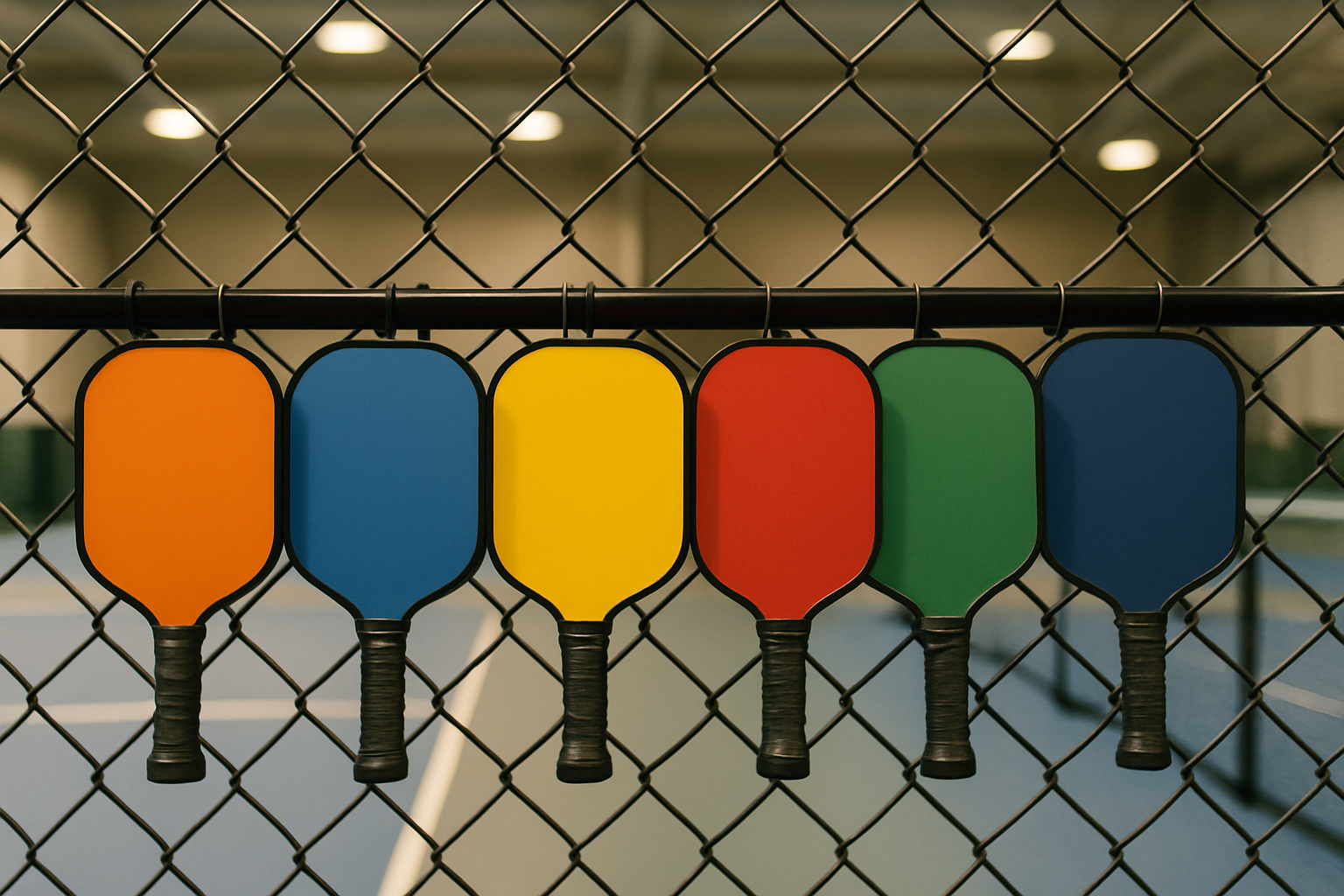
When you arrive, you place your paddle on a rack or in a designated queue area near the court. This placement marks your spot in line. When a game finishes, the next four paddles in the rack take the court. Winners may stay on for one more game depending on the facility’s house rules. Alternatively, all four players rotate off and four new players come in. The cycle repeats throughout the session.
Most open play games run to 11 points, win by 2. At a relaxed pace with competitive rallies, a game usually lasts between 10 and 20 minutes. As a result, if there are 12 people rotating through two courts, you’re typically waiting no longer than 20 to 30 minutes between games. This timeframe depends on turnover speed.
Since there’s no referee on the court, players call their own lines and settle disputes informally. The spirit of the game is expected to take over. Moreover, most players are there to enjoy the sport, not argue over a ball that landed two inches out. If you’re curious about terminology you’ll hear during games, understanding what does side out mean in pickleball will help significantly. You’ll follow the scoring and rotations much more easily.
How Open Play Pickleball Handles Skill Levels
One of the most common concerns for new players is whether they’ll face opponents far better or far worse than them. Many facilities address this directly. They organize open play into skill-tiered time blocks or designated courts.
Skill levels in organized pickleball typically follow one of two frameworks: the USA Pickleball rating system or DUPR (Dynamic Universal Pickleball Rating). Both use numerical scales to classify players from beginner through professional-level. At most recreational facilities, players self-report their skill level when signing up. However, some venues require a brief assessment for intermediate or advanced sessions.
Here’s a general breakdown of how open play tiers are typically structured:
| Skill Level | Typical Rating Range | What to Expect |
|---|---|---|
| Beginner | 1.0 – 2.5 | Learning basic rules, serves, and court positioning |
| Intermediate | 3.0 – 3.5 | Consistent rallies, working on strategy and shot variety |
| Advanced | 4.0 – 4.5+ | Fast-paced play, third-shot drops, aggressive net play |
| All-Level / Open | Mixed ratings | Everyone plays together, common at smaller facilities |
If you’re brand new and unsure where you fall, start in a beginner session. You’ll pick up the rhythm of rotations easily. You’ll get comfortable with the court dimensions. Moreover, you’ll learn the social norms without feeling overwhelmed. From there, you can move up as your confidence grows.
What Open Play Pickleball Looks Like at Different Venues
Not all open play sessions are created equal. The experience can vary significantly depending on whether you’re playing at a city recreation center, a private club, or a dedicated pickleball facility.
City and county recreation centers typically offer the most accessible and affordable open play. Sessions often cost between $3 and $10 per person. No membership is required. Courts are usually multipurpose gym floors with temporary nets. This means the surface quality varies. These sessions tend to attract a wide mix of ages and ability levels.
Private clubs and fitness facilities like Planet Fitness partner clubs or dedicated pickleball clubs may charge more. Rates range from $10 to $25 per session. Alternatively, they offer unlimited open play as part of a monthly membership. In exchange, you generally get permanent pickleball courts, better equipment, and a more consistent player pool.
Dedicated pickleball facilities like Chicken N Pickle or Pickleball Kingdom locations have expanded rapidly across the U.S. These venues often run structured open play throughout the day. They organize sessions by skill level. Staff manages rotations and maintains pace. Additionally, some venues offer clinics and instructional programs alongside their open play blocks.
Parks and outdoor courts are another option entirely. However, they operate differently. Public courts in parks often function as informal open play on a first-come, first-served basis without any formal rotation system. You show up, you play, and you figure it out as a group.
The Social Engine Behind Open Play Pickleball’s Growth
Understanding what is open play pickleball means recognizing that it’s not just a game format. It’s the primary social structure that has allowed pickleball to grow from a niche backyard game into the fastest-growing sport in the United States.
Participation jumped from approximately 4.2 million players in 2020 to over 24 million in 2025. The average player age has also dropped significantly. It went from 41 in 2020 to 34.8 in 2026. This directly challenges the old stereotype that pickleball is primarily a retirement community sport. A large portion of that demographic shift has been driven by younger adults. They discover the sport through exactly this kind of accessible, no-commitment session format.
Open play sessions at parks and recreation centers are specifically designed for strangers to rotate in and meet each other through the game. You don’t need to know anyone when you walk in. By the time you’ve played four or five games, you’ve met a dozen people. That organic social infrastructure is something few other sports offer so efficiently.
If you’re comparing pickleball to other racket sports you might already play, is pickleball like ping pong is a worthwhile comparison to read before your first session. Many players make that transition and find the adjustment more significant than they expected.
What to Bring and How to Prepare for Open Play Pickleball
Showing up to your first open play session unprepared can make the experience more stressful than it needs to be. Here’s what you should know before you go:
What to bring:
- Your own paddle (or confirm the venue rents them, usually $3 to $5)
- Pickleball-specific court shoes or non-marking athletic shoes
- Water bottle, since matches move fast
- A few pickleballs if you have them (some courts have limited supply)
- Cash or a payment method for the session fee
What to know before you arrive:
- Arrive 10 to 15 minutes early to sign in and get your paddle in the rack
- Introduce yourself when you step on the court, it’s standard etiquette
- Call your own balls honestly. Good sportsmanship is the unwritten rule of every open play session
- Keep the game moving and avoid long breaks between points
One shot that will come up almost immediately in your first session is the dink. It’s a soft, controlled shot played at the kitchen line. Understanding whats a dink in pickleball before you play will give you a real strategic advantage. You’ll be especially prepared when facing more experienced players. They rely heavily on that shot to control the pace.
Things to Know About Open Play Pickleball
- Open play sessions are almost always first-come, first-served. Arriving late means a longer wait for your first game, especially at popular venues.
- Some facilities cap the number of players per session. Therefore, it’s worth calling ahead or checking online during peak hours like weekend mornings.
- Beginner sessions often fill up faster than intermediate ones because they attract the most new players looking for a low-pressure environment.
- Not every venue posts its rotation rules clearly. Don’t be afraid to ask a regular player how the rotation works when you arrive.
- Many cities post open play schedules on their parks and recreation department websites. Additionally, apps like Pickleheads and Places2Play aggregate local sessions by zip code.
- If a venue separates courts by skill level, playing on a court above your level without invitation is considered bad etiquette. This can create tension within the community.
Frequently Asked Questions
Q: Do you need to register in advance for open play pickleball?
Most open play sessions do not require advance registration. They operate on a walk-in basis. That said, some facilities, especially dedicated pickleball clubs or recreation centers with limited court space, do allow or require pre-registration. You can register through their website or app. It’s worth checking the venue’s website before your first visit. This helps you avoid showing up during a session that’s already at capacity.
Q: What happens if there aren’t enough players to fill all four spots on a court?
If fewer than four players are ready, the group typically waits until enough paddles are in the rack to form a full game. At smaller sessions with low attendance, players sometimes agree to play a cross-court rally game. They may also play a three-player variation to keep things moving. This approach is informal and varies by location.
Q: Can beginners play alongside advanced players in open play?
In all-level open play sessions, yes, though many facilities separate skill levels to keep games competitive and enjoyable for everyone. If a venue only offers one open play block without skill divisions, beginners may find themselves on the court with much stronger players. Most experienced players are patient with newcomers. However, it’s worth asking staff whether skill-based sessions are available before you commit to a time slot.
Q: How is scoring tracked in open play without a referee?
Players announce the score before each serve. They follow the standard pickleball three-number format: server score, receiver score, and server number. Since there’s no official scorekeeper, the server’s responsibility is to call the score loudly before each point. This keeps both teams aligned and prevents disputes from building up over missed counts.
Q: Is open play pickleball free?
Open play is rarely free. However, it’s one of the most affordable ways to play sports recreationally in the U.S., typically costing between $3 and $25 per session depending on the venue. Outdoor public courts in city parks are often genuinely free with no fee to play. However, they don’t always have formal rotation systems in place. Indoor recreation center sessions usually charge a small drop-in fee. Private clubs may bundle open play access into a monthly or annual membership.
The Bottom Line on What Is Open Play Pickleball
What is open play pickleball, at its core? It’s organized simplicity. You show up, you put your paddle in the rack, you play, you rotate, and you meet people along the way. It’s the format that has turned millions of casual Americans into regular players over the past five years. Moreover, it remains the most accessible entry point into the sport regardless of age, fitness level, or prior racket sport experience.
Your best next step is straightforward: find a beginner or all-level session at a local recreation center or dedicated facility. Bring your paddle and a water bottle. Arrive a few minutes early. One session is usually all it takes to understand why the sport keeps pulling people back week after week.