Which Pickleball Paddle Is Best for Pros: Top Models Ranked by Performance
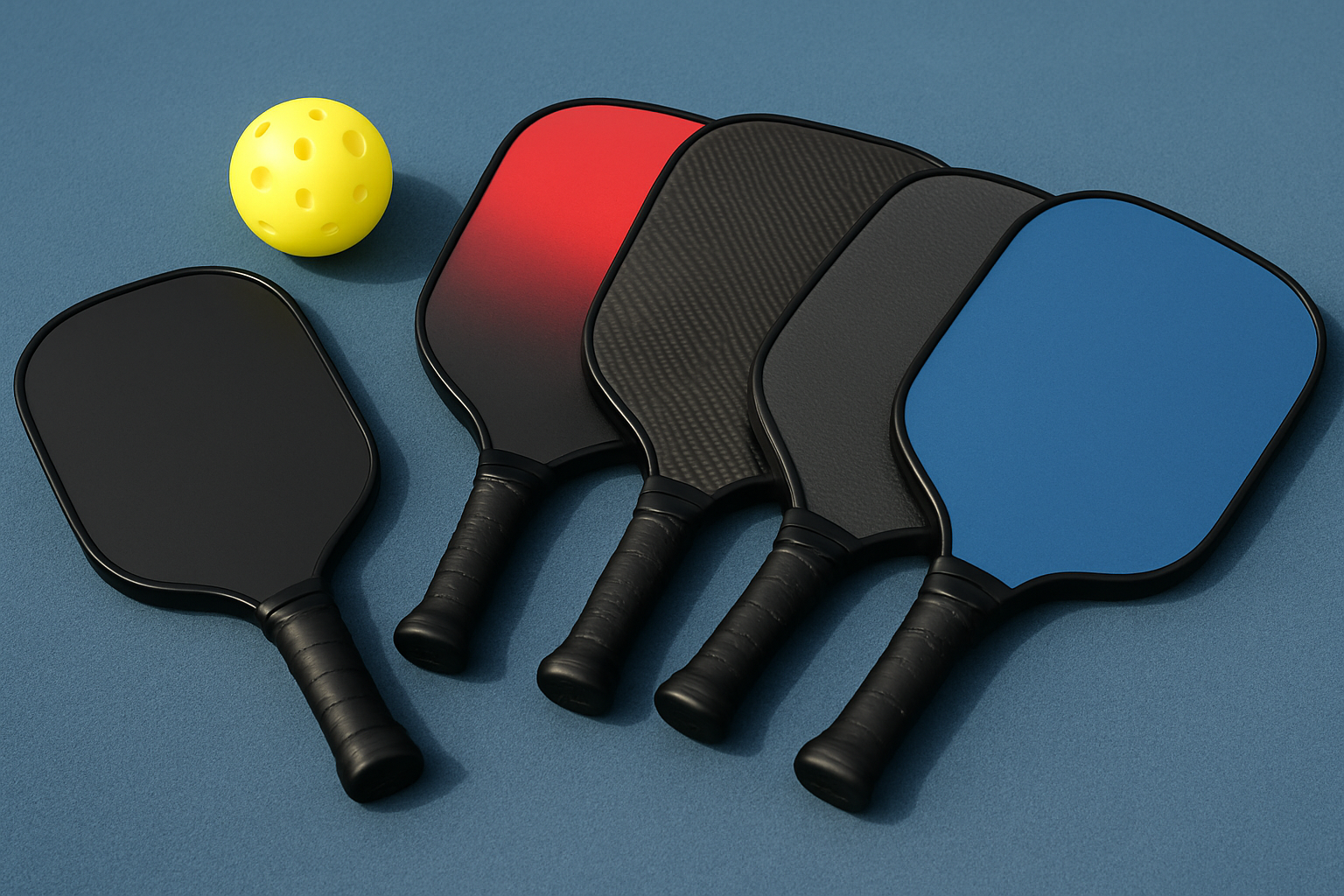
When it comes to professional pickleball, paddle selection directly impacts your spin rates, dwell time, and shot consistency. The paddles that perform best for pros in 2024 and 2025 are thermoformed carbon fiber models with raw carbon or T700 carbon fiber faces. They maximize spin, control, and responsiveness at the highest level of play. Understanding which pickleball paddle is best for pros requires evaluating face material, core thickness, and weight together.
Key Takeaways
- Thermoformed carbon fiber paddles dominate the professional tour because they offer superior spin generation and consistent pop compared to fiberglass or composite alternatives.
- Raw carbon fiber faces grip the ball longer during contact, giving pros more spin potential per stroke.
- Core thickness matters significantly: 16mm cores favor control players, while 13mm cores offer a snappier, more powerful feel.
- Paddle weight between 7.5 oz and 8.2 oz is the sweet spot most touring pros prefer, balancing power with maneuverability.
- USA Pickleball approval is non-negotiable for tournament play, so always verify your paddle is on the approved equipment list before competing.
- Budget is real: pro-level paddles typically run $150 to $230, but the performance gap over mid-tier paddles is measurable.
Why Which Pickleball Paddle Is Best for Pros Depends on Specs
Recreational players can get away with almost any paddle off the shelf. At the professional level, however, the difference between a $60 paddle and a $200 thermoformed model shows up in every single rally. Understanding which pickleball paddle is best for pros requires attention to specific details.
Here is why specs become critical at higher skill levels:
- Spin generation: Pro players rely on topspin and backspin to keep shots inside the kitchen line and manipulate opponent positioning. Raw carbon fiber faces produce spin rates that can exceed 2,500 RPM on a hard drive, according to testing data published by Pickleball Science. Fiberglass faces fall noticeably short of this.
- Dwell time: This refers to how long the ball stays in contact with the paddle face. Longer dwell time gives you more control over placement. Thermoformed paddles with polypropylene honeycomb cores are engineered specifically to extend this contact window.
- Pop at the non-volley zone: Pros spend enormous amounts of time at the kitchen line. A paddle with the right combination of core thickness and face stiffness allows you to redirect fast drives with minimal effort.
- Arm fatigue: Heavier paddles above 8.5 oz increase the risk of tennis elbow and shoulder strain during multi-game tournament days. Most professional players stick to the 7.5 oz to 8.2 oz range for this reason.
- Consistency across temperature ranges: Outdoor tournament conditions vary. Polypropylene cores maintain their structural integrity better than other core materials when temperatures swing between 50°F and 95°F.
Understanding these specs gives you a foundation for evaluating any paddle on the market. Rather than just going by brand reputation alone, you can make informed comparisons.
The Top Pro-Level Paddles in 2025
The following paddles represent what professional players are actively using on the APP Tour and PPA Tour. Each one has been evaluated based on face material, core thickness, weight range, and real tournament usage.
Joola Hyperion CFS 16
The Hyperion CFS 16 has become one of the most referenced paddles in professional circles. Anna Leigh Waters, one of the top-ranked players in the world, has been associated with this line, which speaks to its credibility at the highest level.
Key specs: Carbon friction surface (CFS) face, 16mm polypropylene honeycomb core, weight range of 7.9 oz to 8.3 oz, elongated shape available.
The 16mm core is the standout feature here. It produces a softer feel at contact, which translates to exceptional dink consistency in kitchen exchanges. If your game is built on patience and precision, this paddle rewards that style.
Selkirk Vanguard Power Air Invikta — A Top Choice for Which Pickleball Paddle Is Best for Pros
Selkirk has long been one of the most trusted names in competitive pickleball. The Vanguard Power Air Invikta is their flagship pro model. It uses a Quake carbon fiber face with a SuperCore polymer core.
The elongated Invikta shape extends your reach at the baseline. It gives you a longer hitting surface for two-handed backhand drives. The weight range sits between 7.7 oz and 8.1 oz, making it nimble enough for net exchanges without sacrificing drive power.
Professional players who prefer an aggressive baseline game tend to gravitate toward this paddle. The face texture holds spin remarkably well even after extended court time, which is a known durability issue with some competing models.
Ben Johns Hyperion 2 (Joola)
Ben Johns is widely regarded as the best men’s player in the history of the sport. His signature paddle reflects his playing style closely. The Hyperion 2 features a carbon friction surface face with a 13mm core, which delivers a noticeably snappier response compared to the 16mm version.
If you are a player who relies on pace and flat drives rather than soft touch play, the 13mm core gives you the pop you need. The trade-off is that the thinner core requires more precise footwork and body positioning. It offers less forgiveness on off-center hits.
Weight range: 7.5 oz to 8.0 oz. This is one of the lighter options in the elite category, contributing to fast hand speed at the kitchen line.
Paddletek Bantam EX-L Pro
Paddletek is less trendy than Joola or Selkirk in social media circles. However, professional players who prioritize durability and consistent performance keep coming back to it. The Bantam EX-L Pro uses a Smart Response Technology polymer core with a textured fiberglass face.
It sits at a slightly lower price point than thermoformed carbon fiber models, typically around $150. This makes it the most accessible option on this list without a serious drop in performance. The fiberglass face does give up some spin potential compared to raw carbon. However, the paddle more than compensates with a forgiving sweet spot that covers a large portion of the face.
Franklin Ben Johns Signature Paddle
This model is worth mentioning separately because it appears at a wider range of price points. It is designed with direct input from the sport’s top-ranked player. The Franklin version is built for control-heavy play with a T700 carbon fiber face and a polymer honeycomb core.
It runs slightly lighter than average, which some players find excellent for doubles play. Reaction time at the net is everything in that format.
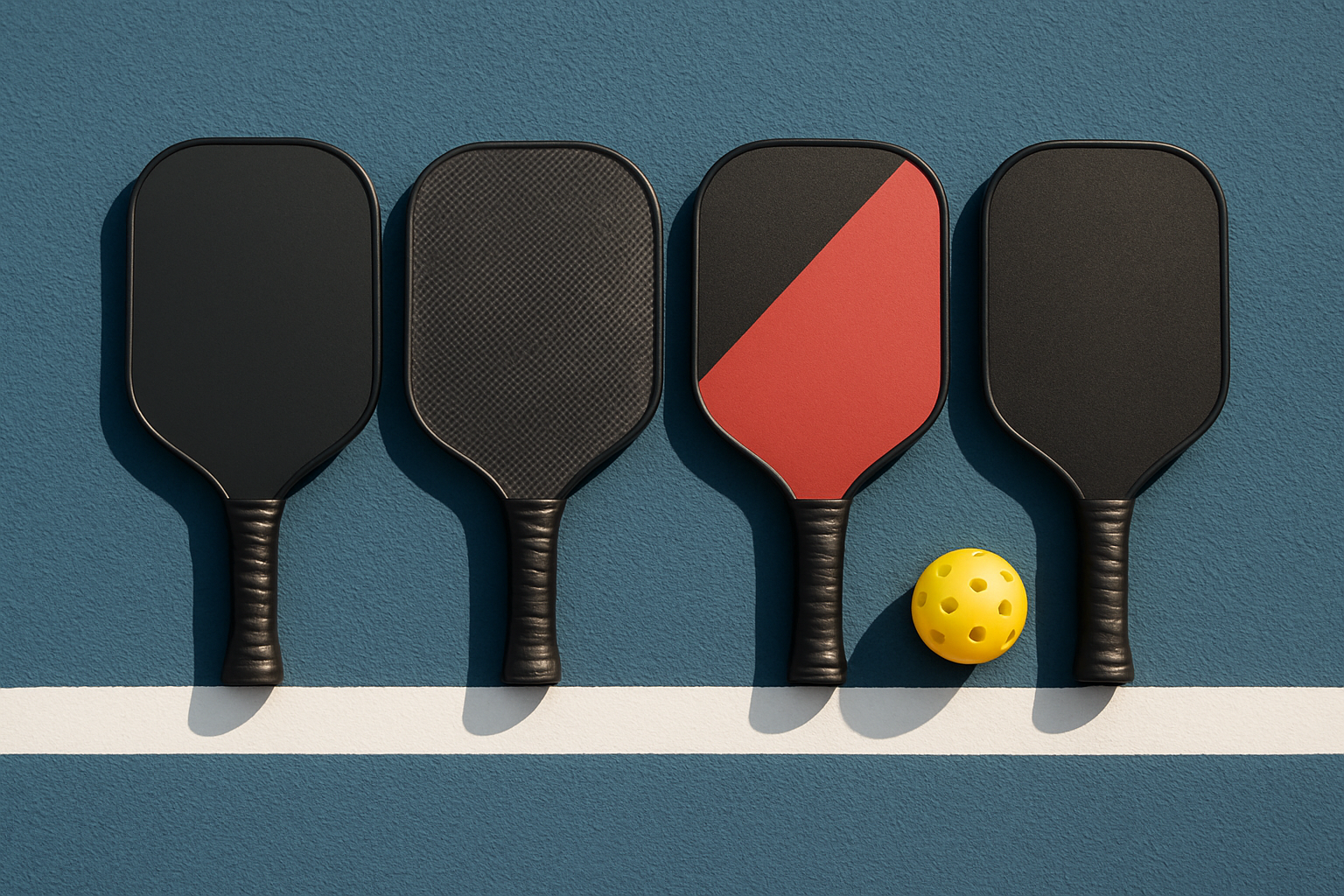
Head-to-Head Paddle Comparison Table for Which Pickleball Paddle Is Best for Pros
| Paddle | Face Material | Core Thickness | Weight Range | Best For | Price (Approx.) |
|---|---|---|---|---|---|
| Joola Hyperion CFS 16 | Carbon Friction Surface | 16mm | 7.9-8.3 oz | Control/Dinking | $200-$220 |
| Selkirk Vanguard Power Air Invikta | Quake Carbon Fiber | 16mm | 7.7-8.1 oz | All-around / Baseline | $210-$230 |
| Joola Ben Johns Hyperion 2 | Carbon Friction Surface | 13mm | 7.5-8.0 oz | Power / Fast Hands | $195-$215 |
| Paddletek Bantam EX-L Pro | Textured Fiberglass | N/A | 7.8-8.2 oz | Durability / Value | $140-$160 |
| Franklin Ben Johns Signature | T700 Carbon Fiber | 13mm | 7.3-7.8 oz | Doubles / Net Play | $185-$200 |
How Playing Style Should Drive Your Decision for Which Pickleball Paddle Is Best for Pros
Even among professional-caliber players, the “best” paddle is always tied to playing style. Here is a practical breakdown:
If you are a control-first player:
Go with a 16mm core paddle like the Joola Hyperion CFS 16. Thicker cores absorb more energy, reducing power in exchange for placement precision. Your dinks will feel more predictable, and you will have greater margin for error on resets.
If you favor a power-based game:
The 13mm core options such as the Joola Ben Johns Hyperion 2 will serve you better. You accept less forgiveness but gain a livelier response that amplifies pace on drives and third-shot putaways.
If you play mostly doubles:
Paddle weight and shape become the dominant factors. An elongated paddle gives you extended reach for poaching. A lighter weight (under 8.0 oz) improves your ability to react quickly when your partner leaves a gap.
If you are managing arm or elbow issues:
Prioritize a 16mm core and a slightly heavier paddle. Counterintuitively, heavier paddles often reduce arm strain because they absorb more vibration at impact. Pair this with a comfortable grip size (4.25 inches is the most common pro choice) to minimize torque on your forearm.
USA Pickleball Approval: What to Verify Before You Buy
Before spending $200 on any paddle, confirm it appears on USA Pickleball’s approved equipment list. This list is updated regularly, and paddles can be removed if the manufacturer changes materials or construction methods without resubmitting for approval.
The process matters because USAPA-sanctioned tournaments at all levels, including APP Tour and PPA Tour events, require approved equipment. You can verify paddle approval directly at usapickleball.org.
Key things to check:
- The paddle must have a USAPA approval sticker or be listed on the current approved paddle list by model name and year.
- Weight modifications (adding lead tape) are permitted under USAPA rules up to a total paddle weight that keeps the paddle within legal bounds. Thickness alterations are not.
- Paddles that contain depictions or textures that create an unfair spin advantage beyond approved specifications can be pulled from the approved list. Several paddle models experienced this in 2023.
Things to Know
- Paddle faces wear down over time. Carbon fiber surfaces lose some of their grit after 60 to 80 hours of play, which noticeably reduces spin generation. Factor this into your budget.
- Grip circumference affects control more than most players realize. If your grip is too large, wrist snap on serves and dinks becomes restricted. If it is too small, the paddle shifts during hard drives.
- Lead tape customization is legal and widely used at the pro level. Adding 2 to 4 grams to the 3 o’clock and 9 o’clock positions widens the sweet spot without significantly increasing overall weight.
- Not all “carbon fiber” paddles are equal. T700 carbon is a specific grade frequently cited in high-performance models. Generic “carbon” labels on cheaper paddles may indicate a lower-grade material.
- Thermoformed paddles are built by fusing the face and core under heat and pressure, creating a unified structure. Non-thermoformed paddles use adhesive bonding, which can delaminate under heavy use or extreme temperatures.
- Core delamination is a real failure mode. If your paddle starts sounding hollow or “dead” in certain spots, the core has likely separated from the face. This is considered a defective paddle under most manufacturer warranty policies.
Frequently Asked Questions
Q: Which pickleball paddle is best for pros who are switching from tennis?
Tennis players converting to pickleball typically adapt fastest with a heavier, elongated paddle. Choose the 8.0 oz to 8.5 oz range. The longer shape mimics a tennis racket’s hitting zone. The added weight feels familiar during baseline exchanges. The Selkirk Vanguard Power Air Invikta is a frequently recommended starting point for this transition because of its extended hitting surface and substantial feel.
Q: Does paddle shape really affect performance at the pro level?
Yes, paddle shape meaningfully impacts reach, sweet spot size, and balance point. All of these matter in competitive play. Elongated paddles (16.5 inches or longer) add reach but shift the sweet spot higher on the face. This can feel awkward until you adjust your contact point. Standard-shape paddles (around 15.5 inches) keep the sweet spot more centered, which benefits kitchen-line exchanges.
Q: How often do professional players replace their paddles?
Most professional players replace paddles every 3 to 6 months depending on frequency of play and sponsor relationships. At tournament volume, a player grinding through 30 or more competitive matches per season will notice face degradation affecting spin generation. Well before the paddle physically breaks, performance declines. Many sponsored pros receive new paddles monthly.
Q: Can a recreational player use a pro-level paddle and see improvement?
Yes, but the gains are smaller than improving footwork or shot selection. The cost-to-benefit ratio is lower. A pro paddle will not compensate for positional errors or weak fundamentals. However, if your mechanics are solid, upgrading to a carbon fiber face paddle will produce measurable improvements in spin and dink control within a few sessions.
Q: Are expensive pickleball paddles worth the price for serious competitive players?
For players competing in sanctioned tournaments or rated above 4.5, the investment in a $180 to $220 paddle is generally worth it. The performance difference between a $70 composite paddle and a thermoformed carbon fiber model at the 4.5+ skill level is tangible and consistent. Below 4.0, the paddle matters far less than court time.
The Bottom Line on Which Pickleball Paddle Is Best for Pros
Choosing which pickleball paddle is best for pros comes down to three variables: your playing style, your physical needs, and your commitment to sanctioned competition. The Joola Hyperion CFS 16 and the Selkirk Vanguard Power Air Invikta are the two strongest all-around options in 2025. However, the Ben Johns Hyperion 2 is the better choice if you want pace over patience.
Start by identifying whether your game is control-dominant or power-dominant. Next, verify that any paddle you purchase is on the current USA Pickleball approved list. Finally, test grip size before committing to a purchase. If you can demo a paddle at a local club or through a retailer’s trial program, do it. Specs tell part of the story, but how a paddle feels in your hand during actual play is what ultimately determines whether it will work for your game.