What’s a Pickleball Rule You’d Change Immediately?
- The rule most experienced players would change immediately is the rally scoring “freeze” issue resolved in 2026: under the old system, only the serving team could score the game-winning point, often stalling matches when a leading team couldn’t close it out, a frustration the new rulebook finally addressed.
- The 2026 rulebook also tightened volley serve language with the word “clearly,” expanded sportsmanship enforcement, and formalized the Adaptive Standing Division.
- Rule 11 is the USA Pickleball rulebook’s catch-all “Other Rules” section, covering double hits, switching the paddle between hands, and what happens with a cracked ball or mid-rally injury.
- The 10-second rule requires the server to begin their serve within 10 seconds of the score being called, a small but commonly misunderstood pacing rule.
- The “golden rule” of pickleball isn’t one official rule but a widely shared sportsmanship principle: treat opponents the way you’d want to be treated, call lines honestly, and welcome new players warmly.
What’s a Pickleball Rule You’d Change Immediately?
If there’s one rule change most experienced players would have made immediately, it’s exactly the one USA Pickleball actually addressed in 2026: the scoring “freeze.” Under the old rule, game point had to be scored while serving when using rally scoring, which was a huge disadvantage to the team that got to game point first and made huge comebacks significantly more likely than they should have been.
The fix now allows either the serving team or the receiving team to score the game-winning point in rally scoring formats, making games end faster and feel more exciting. This is the kind of change that frustrated players had been requesting for years, since nothing kills momentum in a close match quite like watching a leading team get stuck unable to actually finish the game.
What Are the 2026 Pickleball Rule Changes?
The 2026 USA Pickleball rulebook, effective January 1, 2026, focused mostly on clarification rather than overhaul. For most players, the rulebook does not require relearning pickleball from scratch, you’re not suddenly serving differently or losing a favorite shot.
The headline updates include the rally scoring fix described above, stricter volley serve language adding the word “clearly” to the upward arc, paddle height, and ball contact requirements so referees rule borderline serves as faults rather than giving the server the benefit of the doubt, and tougher sportsmanship enforcement, including pre-match technical fouls and clearer ejection authority. One widely shared incident in 2025 involving a player kicking an opponent in the face after match point is exactly the kind of escalation this rule language is trying to shut down fast. The rulebook also formalized an Adaptive Standing Division and expanded wheelchair-specific rules for inclusive play.
What Is Rule 11 in Pickleball?
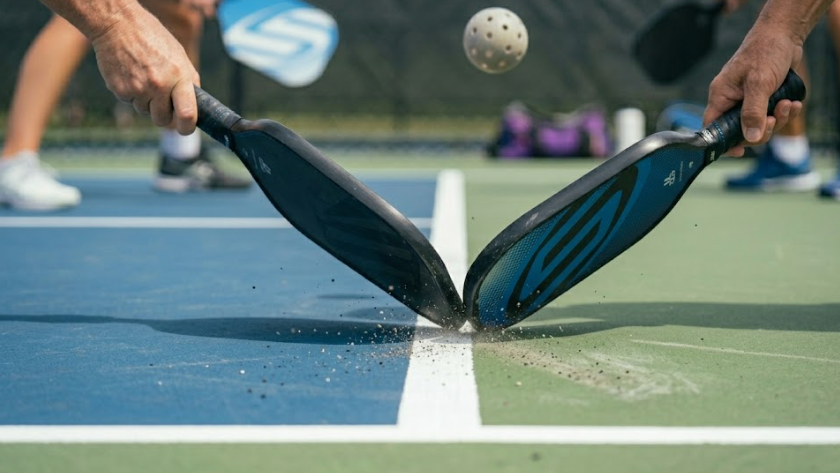
Rule 11 is the USA Pickleball rulebook’s “Other Rules” section, a catch-all covering situations not addressed elsewhere. It covers what happens if a ball is cracked, the plane of the net, an injury during a match, and whether you can legally hit the ball twice with your paddle.
Some of its most commonly referenced provisions: balls can be hit twice as long as it happens during a continuous, single-direction stroke by one player, and a paddle may be switched from hand to hand at any time. If a player gets injured during a rally, the rally continues to its conclusion rather than stopping automatically, and disputes over a cracked or degraded ball must wait until the rally ends before being raised.
What Is the 10-Second Rule in Pickleball?
The 10-second rule requires the server to begin their service motion within 10 seconds after the score has been called. This pacing rule exists to keep games moving and prevent excessive stalling between points, especially important in rec play where games can otherwise drag if players take long pauses between serves.
It’s a commonly misunderstood rule precisely because it’s rarely enforced strictly in casual open play, most rec players never get called for exceeding it unless a referee is present and actively timing serves. In sanctioned tournament play, however, referees do enforce it, and repeated violations can result in a fault against the serving player.
What Is the Golden Rule in Pickleball?
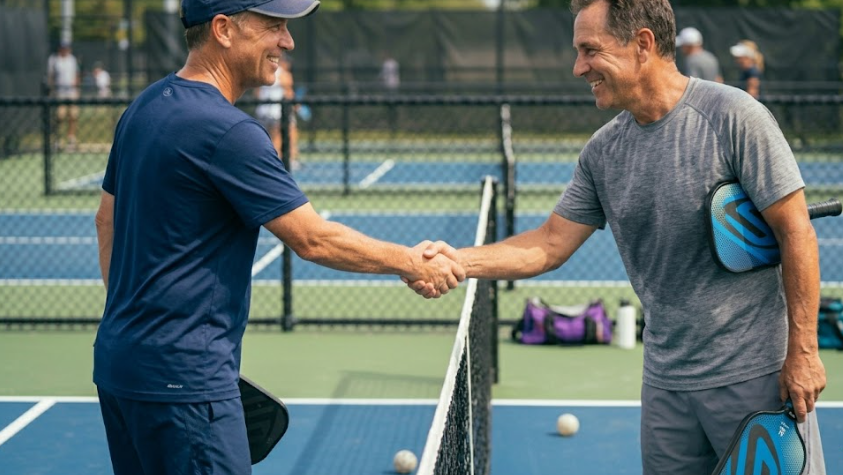
There’s no single official rulebook entry called “the golden rule,” but the term is widely used across the pickleball community to describe its core sportsmanship principle. The Golden Rule in pickleball encapsulates treating others the way one would wish to be treated, being honest, reliable, courteous, and sporting to fellow players regardless of skill level or competitive intensity.
Honest gameplay includes adhering to rules, admitting any faults or violations committed against you, and refraining from deceptive or manipulative tactics used for unfair gains. Different coaches and communities also apply the term more specifically: some use it to mean welcoming all players with open arms and being patient enough to introduce the game to newcomers the way someone once did for you, while others frame it around honest line calls and fair scorekeeping. Across all these versions, the underlying idea stays the same: pickleball’s social, welcoming reputation depends on players actually living up to it.
What Are the 5 P’s of Pickleball?
The standard strategic framework taught to players at nearly every level is Patience, Placement, Positioning, Poaching, and Power. Patience and Placement get the most consistent emphasis since building a rally and hitting away from an opponent wins more points than raw force, while Positioning (moving to the kitchen line with purpose) and Poaching (intercepting a partner’s shot) are more advanced, situational skills layered on top once the fundamentals are solid.
This framework connects directly back to the rules discussion above: many of the most debated rule changes, like the scoring freeze fix, exist specifically to make sure Patience and strategic play, not just whoever happens to be serving, determine who actually wins a close match.
Common Mistakes and Misconceptions
- Assuming the 2026 rulebook fundamentally changed how recreational players serve or score. Most changes are clarifications removing gray areas rather than dramatic overhauls.
- Not knowing Rule 11 exists until a specific dispute happens. Many common rec-play disagreements, cracked balls, mid-rally injuries, double hits, are already directly addressed there.
- Assuming the 10-second rule is strictly enforced everywhere. It’s rarely timed in casual rec play, but it is enforced in officiated tournament settings.
- Treating “the golden rule” as an official, codified rulebook entry. It’s a widely shared sportsmanship principle, not a specific numbered rule, though its spirit underlies much of the actual rulebook’s etiquette-adjacent language.
A Quick Framework for Staying Current on Pickleball Rules
- Check the official USA Pickleball rulebook annually, since most meaningful changes take effect January 1 each year.
- Focus on changes relevant to your play level. Tournament-specific clarifications, like serve height language, matter less in casual rec play than in sanctioned events.
- Treat Rule 11 as your reference for “weird situation” disputes. It covers far more edge cases than most players realize.
- Practice the golden rule even when it’s not enforced. Honest line calls and fair scorekeeping build the reputation that keeps the sport welcoming.
- Revisit the 5 P’s periodically as a strategy refresher. They remain relevant regardless of which specific rules change year to year.
If you’re looking to stay current on rule changes and sportsmanship norms, the rules guides and etiquette resources at the Pickleball Archive are a solid place to keep up to date.
Final Take
The rule most players would have changed immediately, the rally scoring freeze, already got fixed in the 2026 rulebook, proof that the sport’s governing process actually listens to the friction points players experience most directly. Between official rulebook updates and the unwritten “golden rule” of sportsmanship, pickleball’s evolving rule structure reflects a sport still actively working to balance fair competition with the welcoming, social spirit that made it grow so fast in the first place.
Whether it’s a numbered rule or an unwritten norm, the goal is the same: fewer arguments, more rallies, and a game that stays fun at every level.
Want to stay current on rule changes and sportsmanship expectations? The rules and etiquette guides at the Pickleball Archive can help you keep up before your next match.
FAQs About Pickleball Rules
What are the 2026 pickleball rule changes?
The 2026 rulebook fixed the rally scoring “freeze” by allowing either team to score the game-winning point, tightened volley serve language with the word “clearly,” strengthened sportsmanship enforcement, and formalized an Adaptive Standing Division. Most changes are clarifications rather than fundamental shifts to how recreational players actually play.
What is rule 11 in pickleball?
Rule 11 is the USA Pickleball rulebook’s “Other Rules” section, covering situations not addressed elsewhere, including double hits during a continuous stroke, switching the paddle between hands, cracked balls, and mid-rally injuries. It’s frequently referenced in rec-play disputes even though many players don’t realize it exists until a specific situation comes up.
What is the 10-second rule in pickleball?
The 10-second rule requires the server to begin their serve within 10 seconds after the score is called, keeping games moving without excessive stalling between points. It’s enforced strictly in officiated tournament play but rarely timed in casual recreational sessions.
What is the golden rule in pickleball?
There’s no single official rulebook entry by that name, but the term widely refers to treating opponents the way you’d want to be treated, honest line calls, fair scorekeeping, and welcoming new players warmly. It captures the sportsmanship spirit that underlies much of the sport’s social, inclusive reputation.
What are the 5 P’s of pickleball?
The standard strategic framework is Patience, Placement, Positioning, Poaching, and Power, taught roughly in that order of importance for most players. It’s used across skill levels as both a beginner teaching tool and an advanced strategic checklist.