Has Pickleball Become Too Competitive?
- Pickleball has genuinely become more competitive as the player pool matured and skill gaps widened, but most of the tension traces to a culture clash between its original casual, social roots and its fast-growing professional tier, not a fundamental change in what the sport is “supposed” to be.
- Pickleball is supposed to be competitive at the level you choose, the sport was built with both relaxed open play and serious tournament structure in mind from the start, so neither side of the debate is wrong, they’re just playing a different version of the same game.
- Pickleball is not losing popularity, US participation hit 24.3 million players in 2025, up 22.8% from 2024, even as noise disputes and a handful of city bans, including Carmel-by-the-Sea, California, generate headlines.
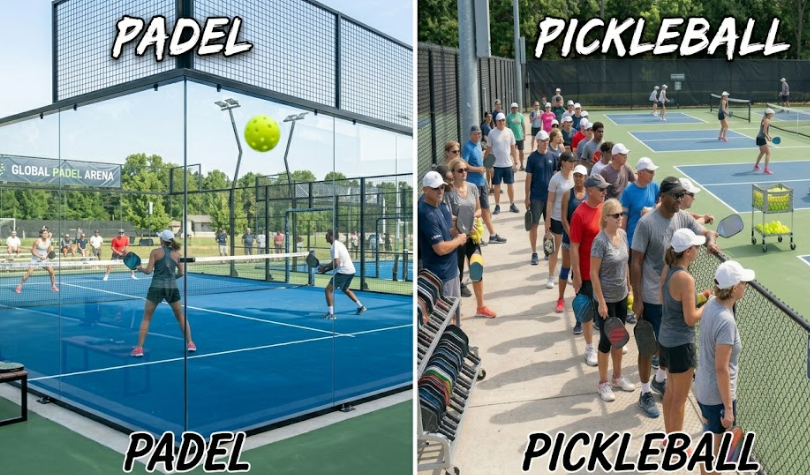
- Padel is the sport most often cited as catching up internationally, growing faster than pickleball globally even though pickleball still dominates domestically.
- Traditional youth sports participation is the area showing genuine, well-documented decline, driven by cost, early specialization, and competing screen-time activities, a very different story from anything happening in pickleball.
Has Pickleball Become Too Competitive?
Yes, in a real sense, pickleball has gotten more competitive as the sport matured, but that’s a sign of growth, not a problem with the sport itself. As the player pool exploded past 24 million people, skill gaps widened, tournament structures formalized, and the gap between casual open play and serious club or tournament play became far more visible than it was a decade ago when nearly everyone was still a beginner together.
The tension people actually feel isn’t really about competitiveness as a concept, it’s about a culture clash between the sport’s original social, low-stakes roots and its fast-growing professional infrastructure: TV deals, prize money, and a serious training ecosystem. Both versions of pickleball exist simultaneously now, and friction shows up specifically when someone playing for one reason ends up on a court with someone playing for the other.
Is Pickleball Supposed to Be Competitive?
Yes, at whatever level the player chooses, that’s been true since the sport’s earliest organized structure. Pickleball was designed with casual backyard play in mind from its 1965 origins, but it also formalized a rulebook, governing bodies, and sanctioned tournaments decades ago, well before its current boom, meaning competitive structure has always been part of the sport’s DNA, not a recent corruption of something purely casual.
The actual answer to “is it supposed to be competitive” depends entirely on which format someone’s in. Open play and casual rec sessions are explicitly designed to be social and relaxed; sanctioned tournaments and rated league play are explicitly designed to be competitive. The friction happens almost exclusively when those two contexts get mixed without anyone agreeing on which one they’re actually in.
Is Pickleball Losing Its Popularity?
No, the data is clear on this. The Sports & Fitness Industry Association’s 2026 participation report counted 24.3 million American players in 2025, a 22.8% increase over 2024 and 171.8% growth over three years, making pickleball the fastest-growing sport in the country for multiple consecutive years.
The “declining popularity” narrative mostly traces back to a separate, real story: a wave of indoor facility closures tied to overbuilt, overpriced business models from the height of the boom, a real estate and pricing problem, not a participation problem. Actual player numbers kept climbing through the exact same period several of those facilities shut down.
What City Banned Pickleball and Why?
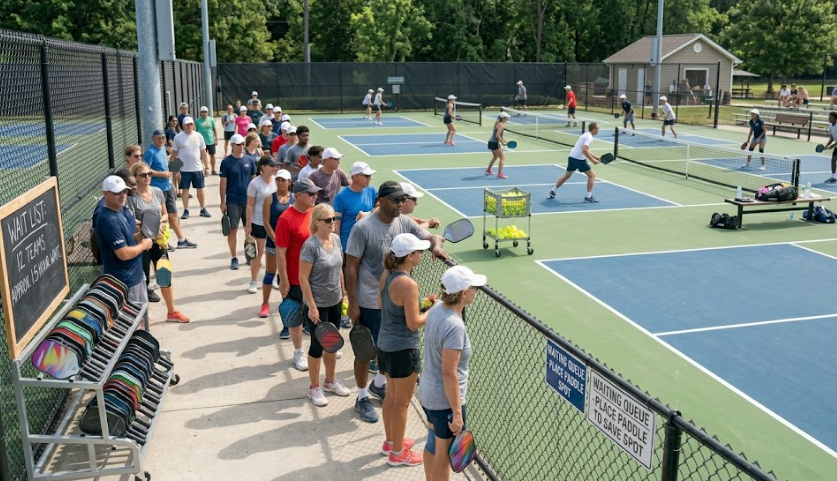
Carmel-by-the-Sea, California temporarily banned pickleball at Forest Hill Park, its only public courts, in October 2025 after years of escalating noise complaints from nearby residents, with city officials describing the situation as having “turned into a madhouse.” The city had already tried limiting play hours and considering quieter “librarian foam” balls before deciding a temporary ban was necessary while officials studied longer-term solutions.
Lake Oswego, Oregon took similar action at its George Rogers Park after residents said the noise was disrupting daily life. Both decisions were narrow, court-specific responses to acoustics and proximity to homes, not a broader rejection of the sport, and neither reflects any actual drop in demand.
What Sport Is Becoming More Popular Than Pickleball?
No sport has actually overtaken pickleball in the US, but padel is the most frequently cited contender and the one genuinely growing faster on a global scale. Originally popular in Spain and Latin America, padel has expanded rapidly across Europe and is now drawing serious US investment, including a $15 million Series A funding round for the Pro Padel League.
In North America specifically, padel is expanding alongside pickleball rather than replacing it, mostly because its enclosed glass courts cost significantly more to build than pickleball’s simple, easily repurposed court footprint. Globally, padel claims the “fastest-growing sport in the world” title, while pickleball remains the fastest-growing sport specifically within the United States.
Which Sport Is Declining in Popularity?
The clearest, most well-documented decline is in traditional youth sports participation broadly, organized sports participation among kids aged 6-12 dropped from 45% in 2008 to roughly 37-38% by the early 2020s, according to the Aspen Institute’s Project Play research. The drivers are well understood: rising costs, early single-sport specialization leading to burnout, and competition from smartphones, gaming, and other screen-based entertainment pulling kids away from organized play entirely.
This is a genuinely different story from anything happening in pickleball, where overall adult participation keeps climbing rapidly. The decline is concentrated in traditional, often expensive, travel-heavy youth sports leagues like baseball and competitive soccer, not in accessible, low-barrier activities like pickleball that have actually benefited from people, including many parents, looking for a lower-cost, lower-pressure way to stay active.
Common Mistakes and Misconceptions
- Assuming “more competitive” means “worse.” Increased competitiveness is largely a byproduct of pickleball’s growth and maturity, not evidence the sport has lost what made it appealing.
- Confusing facility business failures with declining demand. Indoor club closures are overwhelmingly a real estate and pricing story, not a participation story.
- Treating a handful of city-specific noise bans as a broader rejection of the sport. These are localized, acoustics-driven decisions, not evidence of declining national interest.
- Assuming padel’s faster global growth means it’s “winning” against pickleball. The two metrics, US dominance versus global growth rate, measure different things; pickleball remains dominant domestically by a wide margin.
A Framework for Navigating the Competitiveness Debate
- Clarify the format before you play. A quick conversation about whether a session is casual or competitive prevents most of the friction people attribute to “pickleball getting too serious.”
- Separate casual open play from rated league or tournament play deliberately. Most clubs already do this; seeking out the right format solves more problems than debating whether competitiveness itself is appropriate.
- Remember both versions of the sport are legitimate. Pickleball’s structure has supported both casual and competitive play since its earliest organized years, neither side needs to “win” the cultural argument.
- Don’t conflate business news with participation news. Facility closures and noise disputes are real stories, but they’re separate from the actual, still-growing number of people playing.
- If competitiveness is genuinely the issue in your specific group, address it directly. A conversation about expectations solves this faster than assuming the sport itself has changed.
If you’re looking for sessions explicitly organized around the right intensity level for you, the club and open-play finders at the Pickleball Archive make it easier to find groups that match your preferred pace.
Final Take
Pickleball hasn’t become “too competitive” so much as it’s grown enough to contain multiple, sometimes conflicting versions of itself at once, casual backyard fun and serious professional sport, both legitimate, both growing. The actual data on participation, popularity, and even comparison to genuinely declining activities like traditional youth sports shows a sport that’s thriving by almost every measure, even as its culture works out the growing pains that come with that kind of scale.
If competitiveness feels like the problem in your specific group, the fix usually isn’t debating what pickleball is “supposed” to be, it’s finding the format that actually matches what you’re looking for.
Looking for the right intensity level for your game? The session finders and club directories at the Pickleball Archive can help you find groups built around exactly the pace you’re looking for.
FAQs About Pickleball’s Competitive Culture and Popularity
Is pickleball losing its popularity?
No, US participation reached 24.3 million players in 2025, a 22.8% increase over 2024, keeping pickleball the fastest-growing sport in the country for multiple consecutive years. The “decline” narrative mostly comes from a separate story about overbuilt indoor facilities closing, not from fewer people wanting to play.
Is pickleball supposed to be competitive?
Yes, at whatever level a player chooses, since the sport has supported both casual open play and formal, sanctioned competition since its earliest organized years. The friction people feel usually comes from mixing those two contexts without agreeing in advance which one a given session is meant to be.
What city banned pickleball and why?
Carmel-by-the-Sea, California temporarily banned pickleball at its only public courts in October 2025 after years of resident noise complaints, and Lake Oswego, Oregon took similar action at its George Rogers Park. Both bans were driven specifically by noise and proximity to homes rather than any broader issue with the sport’s popularity.
What sport is becoming more popular than pickleball?
No sport has overtaken pickleball in the US, but padel is growing faster internationally and is the most frequently cited contender, expanding rapidly across Europe and attracting serious US investment. Domestically, padel and pickleball are expanding alongside each other rather than one displacing the other.
Which sport is declining in popularity?
Traditional youth sports participation shows the clearest documented decline, dropping from roughly 45% to under 38% among kids aged 6-12 between 2008 and the early 2020s, driven by rising costs, early specialization, and competition from screen-based entertainment. This is a distinctly different trend from pickleball, where adult participation continues climbing rapidly.