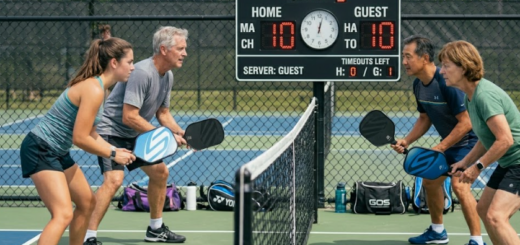
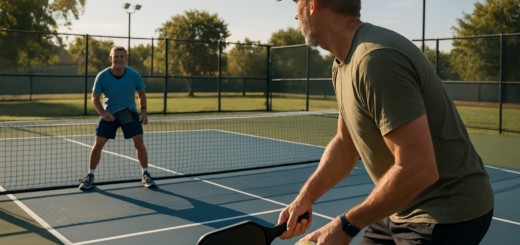
Why Do Some People Hate Pickleball?
- The biggest reason some people hate pickleball isn’t the sport itself, it’s the noise: the sharp, high-frequency “pop” of paddle-on-ball is more irritating to the human ear than tennis sounds at a similar volume, and it carries much farther into nearby homes.
- Tennis players’ resentment usually comes down to court access, since pickleball’s explosive growth has led many parks and clubs to convert or share tennis courts, displacing longtime tennis communities.
- At least one city, Carmel-by-the-Sea, California, temporarily banned pickleball at its only public courts in 2025 after sustained noise complaints, and other cities like Lake Oswego, Oregon have done the same at specific parks.
- Pickleball isn’t losing popularity overall, 24.3 million Americans played in 2025, up 22.8% from 2024, even as individual noise disputes and facility closures make headlines.
- Pickleball is generally considered safe and beneficial for people with AFib and other heart conditions with a cardiologist’s clearance, though some patients do report triggering brief AFib episodes during play.
Why Do Some People Hate Pickleball?
The most common, well-documented reason some people hate pickleball is noise. The sport produces a sharp, high-pitched “pop” each time paddle meets ball, a sound engineers and audiologists have found is objectively more irritating to the human ear than the duller thud of a tennis ball, even at comparable decibel levels, and it travels much farther into nearby neighborhoods.
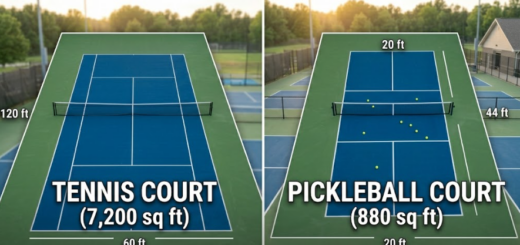
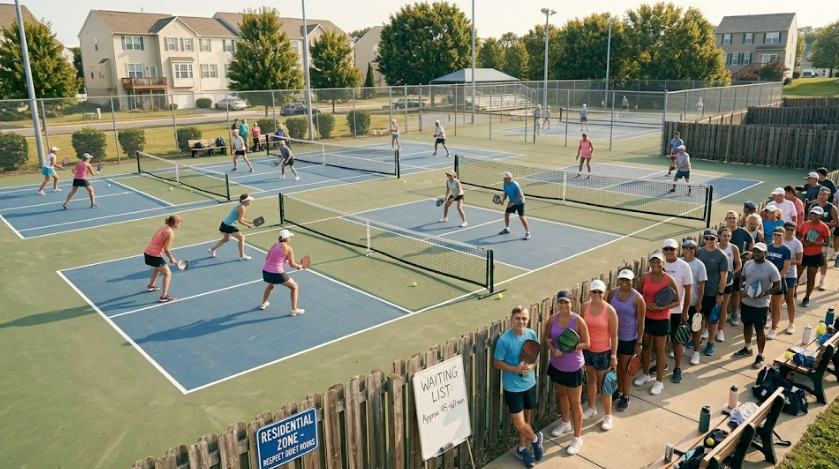
The second major source of resentment is court access. Because pickleball courts are smaller, parks and clubs can fit four of them onto a single tennis court, which means rapid conversion of existing tennis space has displaced longtime tennis communities in many cities. Add a more social, vocal playing culture, players chatting and cheering between points far more than tennis players do, and you get a sport that’s loud in two different ways at once.
Is Pickleball a Hated Sport?
“Hated” is a strong word for a sport played by tens of millions of people, but pickleball has generated an unusually organized backlash for a recreational activity. National outlets have profiled neighbors who sold their homes, filed lawsuits, or even staged a hunger strike over court noise, and at least one attorney has built a specialty handling more than 25 pickleball-related disputes across Southern California alone.
That said, the backlash is concentrated and specific rather than widespread. The people who genuinely dislike pickleball are overwhelmingly homeowners living within a few hundred feet of a court, or tennis players who’ve lost access to shared facilities, not a broad cultural rejection of the sport itself. Outside those two groups, pickleball’s public image remains overwhelmingly positive.
Why Do Tennis Players Hate Pickleball Players?
Tennis players’ frustration is almost entirely about real estate, not the sport’s merits. As demand for pickleball exploded, parks departments and clubs facing limited budgets and space converted existing tennis courts into multiple pickleball courts rather than building new facilities from scratch, since pickleball’s smaller footprint made it the cheaper, faster solution.
That conversion directly displaced tennis communities that had used those same courts for years, sometimes decades. Add the sharper, more disruptive noise pickleball produces when courts sit side by side, tennis players have specifically complained that the pop interferes with their concentration mid-rally, and the friction becomes less about rivalry and more about a genuine resource conflict that cities have struggled to resolve cleanly.
Which City Banned Pickleball?
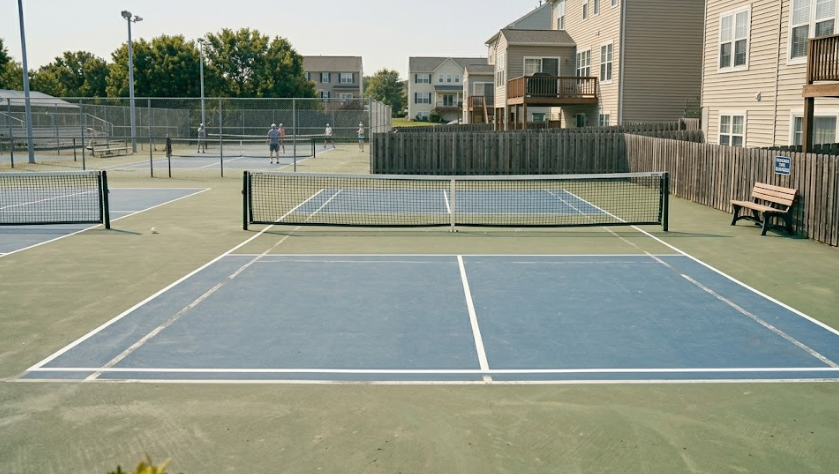
Carmel-by-the-Sea, California temporarily banned pickleball at Forest Hill Park, its only public courts, in October 2025 after years of noise complaints from nearby residents, with city officials describing the situation as having “turned into a madhouse.” The ban came after the city had already tried limiting play hours and considering quieter “librarian foam” balls, measures that ultimately weren’t enough to resolve the conflict.
Carmel isn’t alone. Lake Oswego, Oregon voted to ban pickleball entirely at George Rogers Park, a popular local destination, after residents said the noise was disrupting daily life, and several other cities, including Laguna Beach, California, have passed ordinances requiring quieter equipment rather than outright bans. These remain localized, court-specific decisions rather than any broader rejection of the sport.
Is Pickleball Losing Its Popularity?
No, the data clearly says otherwise. The Sports & Fitness Industry Association’s 2026 participation report counted 24.3 million American players in 2025, a 22.8% increase over 2024 and 171.8% growth over three years, keeping pickleball the fastest-growing sport in the country for multiple years running.
The “pickleball is losing popularity” narrative mostly traces to a separate, real story: a wave of indoor facility closures tied to overbuilt, overpriced business models from the height of the boom. Those closures are a real estate and pricing problem, not evidence that fewer people want to play, participation numbers climbed at the exact same time several of those facilities shut down.
Is Pickleball Good for AFib?
Generally, yes, with the standard caveat that anyone with an existing heart condition needs a cardiologist’s clearance first. The American Heart Association specifically notes that regular activity like pickleball can help reduce the risk of recurrent cardiac events, including atrial fibrillation, alongside improving blood pressure and overall cardiorespiratory fitness.
The more nuanced reality, reported by some cardiologists, is that a subset of patients do experience brief AFib episodes triggered during pickleball play, episodes that typically resolve on their own within a few hours and don’t necessarily mean the sport is unsafe for them. The responsible approach is the same one doctors recommend for any cardiovascular condition: get cleared before starting, watch for symptoms like chest pain or dizziness during play, and adjust intensity based on guidance from your own cardiology team rather than general advice.
Common Mistakes and Misconceptions
- Assuming “hated” means widely unpopular. Pickleball’s harshest critics are a small, specific group, nearby residents and displaced tennis players, not a broad cultural backlash against the sport.
- Blaming noise complaints on grumpy neighbors rather than physics. Pickleball’s pitch and impulsive sound pattern are objectively more irritating to human hearing than tennis sounds at similar volume, this is measurable acoustics, not just preference.
- Treating facility closures as proof of declining interest. Indoor club closures are overwhelmingly a real estate and pricing story, not a participation story, the actual player numbers kept climbing through the same period.
- Thinking any heart condition automatically rules out pickleball. Most cardiovascular conditions, including AFib, are compatible with pickleball under a cardiologist’s guidance; very few require outright avoidance.
How Cities and Players Are Actually Resolving the Conflict
- Quiet-category equipment. USA Pickleball maintains an approved list of quieter paddles and balls, and some HOAs and facilities now require them specifically to address noise complaints.
- Smart court placement. The cities with the fewest disputes planned court locations away from homes before construction rather than retrofitting after complaints arrived.
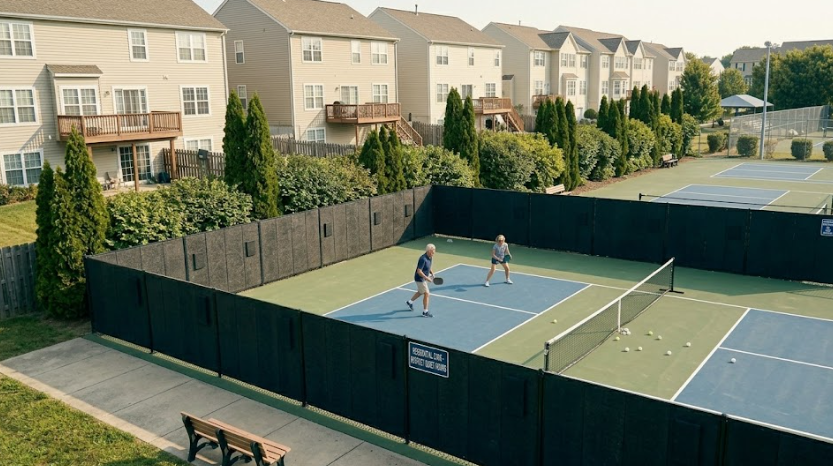
- Sound barriers and landscaping. Acoustic fencing, berms, and dense plantings around courts measurably reduce how far the pop travels into nearby neighborhoods.
- Posted hours and shared scheduling. Restricting play to certain hours, and creating dedicated time blocks for tennis versus pickleball on shared courts, has resolved a meaningful share of the access conflicts between the two communities.
- Medical clearance before play, not after symptoms appear. For players managing AFib, high blood pressure, or other cardiovascular conditions, a pre-season check-in with a cardiologist heads off most safety concerns before they become a problem on the court.
If you’re looking for well-run facilities and clubs that have actually solved the noise and access conflicts well, the club directories at the Pickleball Archive are a good place to find courts built with neighbors and tennis communities in mind, not just players.
Final Take
Most of what looks like “hatred” toward pickleball is really a handful of specific, solvable conflicts, noise traveling into nearby homes and tennis communities losing court access during a period of explosive growth that outpaced new construction. The sport itself isn’t losing fans; it added 4.5 million new American players in 2025 alone, even as a small number of high-profile noise disputes made headlines.
The cities and clubs actually solving this, quiet paddles, smarter court placement, shared scheduling, are proving the conflict was never really about pickleball being unlikable. It was about growing too fast for the infrastructure built around it.
Looking for a club that’s already solved the noise and access conflict the right way? Browse facility listings at the Pickleball Archive to find courts built with the whole neighborhood in mind.
FAQs About Pickleball’s Backlash and Common Concerns
Is pickleball a hated sport?
Not broadly, the backlash is concentrated among two specific groups: residents living near noisy courts and tennis players who’ve lost shared court access. Outside of those situations, pickleball’s public reputation remains largely positive, reflected in its continued explosive participation growth.
Is pickleball good for AFib?
Generally yes, with a cardiologist’s clearance first, since regular moderate exercise like pickleball is linked to a reduced risk of recurrent cardiac events including atrial fibrillation. Some patients do report brief AFib episodes triggered during play that typically resolve within hours, which is why ongoing communication with your cardiology team matters more than blanket advice.
Is pickleball losing its popularity?
No, US participation grew to 24.3 million players in 2025, a 22.8% increase over 2024 and the sport’s fourth-plus consecutive year as the fastest-growing sport in the country. The “decline” narrative mostly comes from indoor facility business closures tied to overbuilt, overpriced models, not from fewer people wanting to play.
Why do tennis players hate pickleball players?
The conflict is almost entirely about court access and noise, not personal rivalry; pickleball’s rapid growth led many cities and clubs to convert or share tennis courts, displacing longtime tennis communities. The sharper, more disruptive sound pickleball produces also makes it harder for tennis players to concentrate when the two sports share adjacent space.
Which city banned pickleball?
Carmel-by-the-Sea, California temporarily banned pickleball at its only public courts in October 2025 after years of noise complaints from nearby residents. Lake Oswego, Oregon, also banned the sport at its popular George Rogers Park, and several other cities have passed ordinances requiring quieter equipment rather than full bans.