Is Pickleball Actually a Sport or Just a Hobby?
- Pickleball meets every standard definition of a sport: organized competition, governing bodies, professional tours with TV deals, official rulebooks, and a ranking system, the “just a hobby” label mostly reflects its casual reputation rather than its actual structure.
- The “hobby” perception persists because pickleball’s biggest cultural footprint is still backyard and retirement-community play, not its competitive tier, even though that competitive tier is large, organized, and growing fast.
- Pickleball is genuinely good for bone density, since it’s a weight-bearing activity, and increasingly recommended for people managing Parkinson’s and AFib, with medical clearance, because of its balance, coordination, and cardiovascular benefits.
- No sport has replaced pickleball in the US; padel is the closest rival and growing faster globally, but pickleball remains dominant domestically with 24.3 million players in 2025.
Is Pickleball Actually a Sport or Just a Hobby?
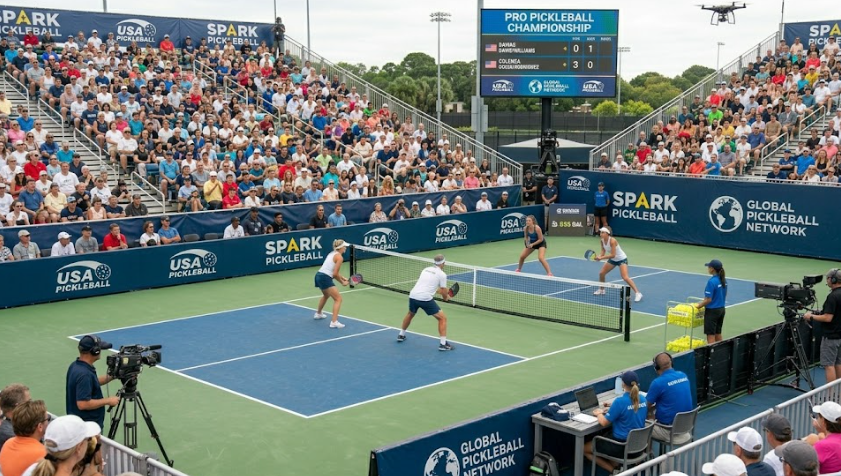
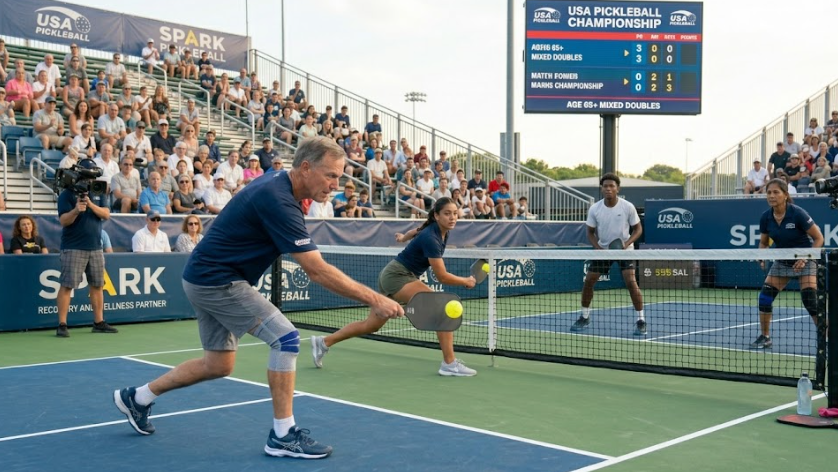
By any structural definition, pickleball is a sport, not just a hobby. It has official governing bodies (USA Pickleball and others), a published rulebook updated annually, sanctioned tournaments, professional tours with broadcast deals on ESPN and CBS Sports, and a ranking system used to organize competitive play at every level. That’s the same basic infrastructure that defines tennis, golf, or any other recognized sport.
The “just a hobby” perception persists mostly because of where most people encounter the game, backyard setups, retirement communities, and casual open play, rather than its competitive tier. That casual entry point is real and valuable, but it coexists with a serious professional ecosystem most casual players never see, which is exactly why the debate keeps resurfacing.
Is Pickleball Considered a Real Sport?
Yes, by the standards that define any organized sport. The Professional Pickleball Association (PPA) and Major League Pickleball (MLP) run year-round professional circuits with prize money, sponsorships, and national broadcast deals, while USA Pickleball maintains the sport’s official rulebook and works with international federations to standardize competitive play globally.
The sport has also crossed thresholds that typically settle this debate for other activities: it’s the official state sport of Washington, it has collegiate national championships, and it draws competitive viewership numbers, one MLP finals match pulled over 400,000 average viewers on national television. Whatever casual reputation lingers from its backyard roots, the competitive infrastructure underneath it is fully real.
Why the “Hobby” Label Sticks Anyway
Pickleball’s explosive growth happened almost entirely through casual, low-barrier entry points, retirement communities, parks, and social open play, rather than through youth development programs or school athletics the way most traditional sports build their base. That entry path shapes public perception even as the competitive tier matures rapidly alongside it.
There’s also a generational visibility gap. Many people’s only exposure to pickleball is through relatives or neighbors playing recreationally, while the professional tour, despite real TV deals and growing investment from figures like Tom Brada and LeBron James, hasn’t yet reached the cultural saturation of more established professional sports. That visibility gap, not any structural deficiency, is what keeps the “hobby” framing alive.
Is Pickleball Good for Bone Density?
Yes. Pickleball is a weight-bearing exercise, meaning your bones and muscles work against gravity during play, and weight-bearing activity is one of the most reliable ways to support and maintain bone density as people age. This makes it a frequently recommended activity for people managing or trying to prevent conditions like osteoporosis.
The standard caveat applies here too: the same fall that might cause a minor bruise for someone with strong bones can cause a fracture for someone with lower bone density, so medical clearance, proper footwear, and avoiding overreaching for wide shots matter more for this population than for the average player.
Can People With Parkinson’s Play Pickleball?
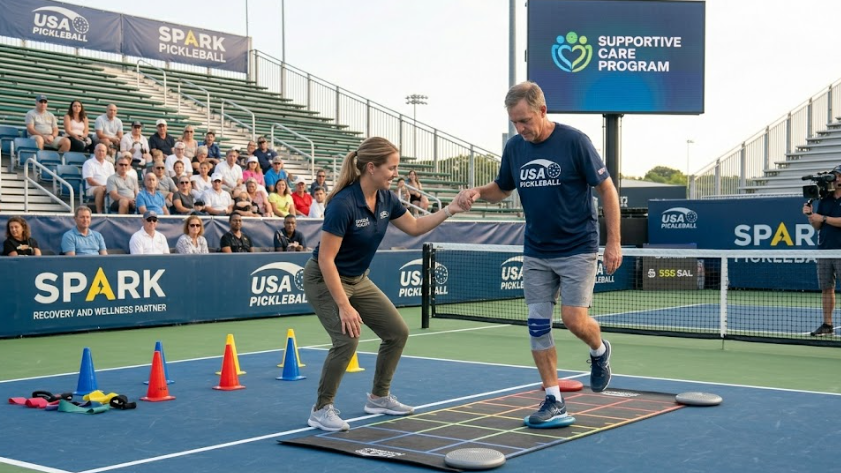
Yes, and it’s increasingly used as a structured part of Parkinson’s symptom management. Research from the Parkinson’s Foundation and several university studies point to real benefits from the sport’s large, coordinated movements and directional changes, which support balance and gait, alongside genuine social and mood benefits that are harder to replicate through solo exercise.
The standard recommendation is to start under guidance from a physical therapist or coach familiar with Parkinson’s-specific modifications, begin with shorter sessions, and prioritize doubles early on since it reduces the court coverage and fall risk that come with playing singles.
Can I Play Pickleball With AFib?
Generally yes, with a cardiologist’s clearance first. The American Heart Association specifically notes that regular activity like pickleball can help reduce the risk of recurrent cardiac events, including atrial fibrillation, while also improving blood pressure and overall cardiovascular fitness.
The more nuanced reality is that some patients do experience brief AFib episodes triggered during play, which typically resolve on their own within a few hours and don’t necessarily mean the sport is unsafe for them specifically. The responsible approach is the same one cardiologists recommend for any condition: get cleared before starting, watch for symptoms like chest pain or dizziness, and let your own cardiology team guide intensity rather than relying on general advice.
What Is the New Sport Replacing Pickleball?
No sport has actually replaced pickleball in the US, where it remains the dominant racket sport with 24.3 million players in 2025. Padel is the closest contender and is growing faster internationally, particularly across Europe and Latin America, having recently attracted serious US investment including a $15 million funding round for the Pro Padel League. In North America, though, padel is expanding alongside pickleball rather than displacing it, mostly because its enclosed glass courts cost far more to build than pickleball’s simple, repurposable footprint.
Common Mistakes and Misconceptions
- Confusing pickleball’s casual reputation with a lack of real competitive structure. The sport has governing bodies, official rules, and professional tours, the same infrastructure that defines any recognized sport.
- Assuming a heart or neurological condition automatically disqualifies someone from playing. Most conditions, including AFib and Parkinson’s, are increasingly managed in part through structured, cleared pickleball play rather than avoidance.
- Treating bone density benefits as a guarantee against injury. Weight-bearing exercise supports long-term bone health, but it doesn’t eliminate the real fall risk that matters most for people with lower bone density in the short term.
- Believing any single emerging sport is about to displace pickleball. Padel’s growth is real and significant internationally, but it’s expanding the racket-sports category overall rather than pulling players away from pickleball domestically.
Final Take
Pickleball checks every box that defines a real sport, governing bodies, professional tours, sanctioned competition, even if its casual, backyard roots keep the “just a hobby” label sticking around longer than the facts support. And whether someone’s managing Parkinson’s, AFib, or bone density concerns, the sport has increasingly become something doctors recommend rather than something to work around, provided the right clearance and modifications are in place.
So the next time someone calls pickleball “just a hobby,” the professional tour’s TV deal, prize pools, and 24 million American players are the easiest rebuttal available.
Want to see what the competitive side of pickleball actually looks like? The club and tournament finders at the Pickleball Archive can help you find organized play near you.
FAQs About Pickleball’s Legitimacy and Health Benefits
Is pickleball considered a real sport?
Yes, it meets every structural definition of a sport: official governing bodies, a published rulebook, sanctioned tournaments, and professional tours with national broadcast deals. The “hobby” perception comes from its casual, low-barrier entry points, not from any actual deficiency in its competitive structure.
Is pickleball good for bone density?
Yes, since it’s a weight-bearing activity, which is one of the most effective ways to support and maintain bone density as people age. It’s frequently recommended for people managing osteoporosis, though medical clearance and supportive footwear matter for reducing fall-related fracture risk.
Can people with Parkinson’s play pickleball?
Yes, pickleball is increasingly used as a structured exercise option for Parkinson’s, since its large coordinated movements and footwork support balance and motor function alongside real social and mood benefits. Starting under a physical therapist’s guidance and prioritizing doubles to reduce court coverage are the standard safety recommendations.
Can I play pickleball with AFib?
Generally yes, with a cardiologist’s clearance first, since regular moderate exercise is linked to a reduced risk of recurrent cardiac events including atrial fibrillation. Some patients do experience brief AFib episodes triggered during play that typically resolve within hours, which is why ongoing communication with your cardiology team matters more than general advice.
What is the new sport replacing pickleball?
No sport has replaced pickleball in the US, where it remains dominant with 24.3 million players in 2025. Padel is the closest contender and is growing faster internationally, but in North America it’s expanding alongside pickleball rather than taking its place.