What’s the Most Overrated Pickleball Paddle?
- The most overrated pickleball paddles are almost always the flagship, pro-endorsed flagship paddles at the very top of the price range, since independent testers consistently find budget paddles like the Vatic Pro V-Sol delivering 85-90% of the performance at a third of the cost.
- The “#1 rated” paddle changes monthly as new releases drop, but in mid-2026 testers consistently point to the Honolulu J2CR and the JOOLA Pro V as the top picks depending on budget and play style.
- The coolest-looking paddles tend to come from smaller, newer brands experimenting with bold colorways and dual-tone designs, rather than the legacy brands that stick to conservative branding.
- For an average recreational player, a mid-range all-court paddle in the $150-$220 range almost always outperforms both ultra-budget and ultra-premium options for actual game improvement.
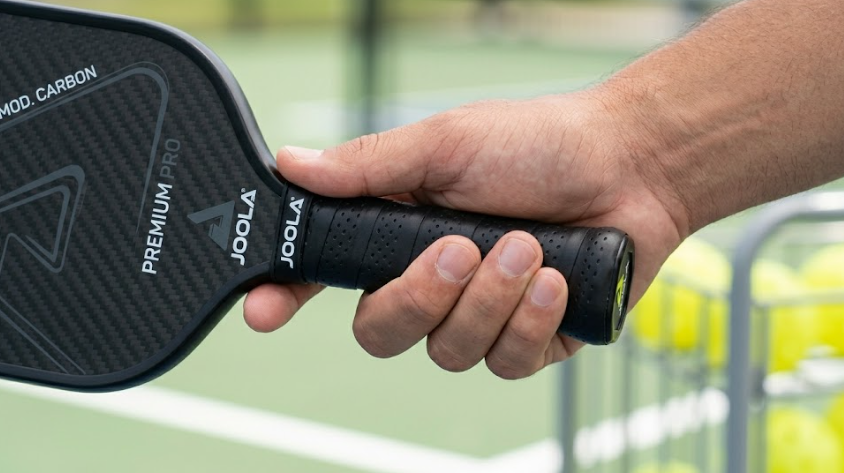
- 90% of players genuinely do hold their paddle wrong, gripping far too tightly, which kills touch and control, the fix is a relaxed handshake-style grip with pressure closer to a 2 or 3 out of 10, not a 7 or 8.
What’s the Most Overrated Pickleball Paddle?
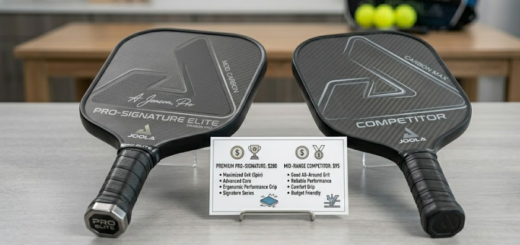
The most consistently overrated paddles are the flagship, pro-signature models at the very top of the price range, often $250-$330, because independent testing repeatedly shows the performance gap between them and well-built mid-range paddles is much smaller than the price gap suggests. Reviewers who’ve tested hundreds of paddles routinely note that a $90-$175 paddle can deliver 85% or more of a $300 paddle’s actual on-court performance.
That doesn’t mean premium paddles are bad, the best of them genuinely do offer a slightly plusher feel and marginally better dwell time on touch shots. It means the hype, often driven by a pro player’s name attached to the paddle, outpaces the real-world performance difference for the vast majority of recreational and intermediate players who’ll never notice the gap that justifies the extra $100-$150.
What Is the #1 Rated Pickleball Paddle?
There’s no single permanent answer, the “#1 paddle” shifts regularly as manufacturers release new generations every few months. As of mid-2026, independent testers most frequently point to the Honolulu J2CR Crystal Blue as a top overall pick for its long-lasting grit and spin generation at under $200, while the JOOLA Pro V (Ben Johns’ signature paddle) remains the most talked-about premium pick for serious competitive players who want the plushest feel and most explosive power available.
For budget-conscious players, the Vatic Pro V-Sol Pro, at roughly $90, consistently shows up in “best value” rankings for delivering power output that competes directly with paddles costing two to three times as much.
What Is the Coolest-Looking Pickleball Paddle?
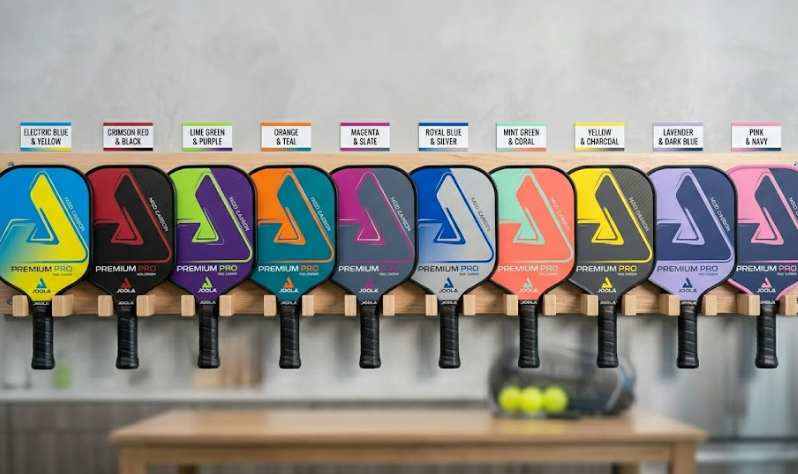
Aesthetic appeal is subjective, but a clear pattern has emerged: the most visually striking paddles tend to come from newer, smaller brands willing to take design risks that legacy companies avoid. Dual-tone color schemes, bold graphic faces, and unconventional shapes show up far more often from challenger brands than from the conservative, brand-forward designs of established players like Selkirk or JOOLA.
Players chasing standout looks tend to gravitate toward paddles with high-contrast colorways or unique surface textures that are visually distinct from across the court, a detail that matters more in open play and tournaments where dozens of similar-looking paddles otherwise blend together.
What Is the Best Pickleball Paddle for an Average Player?
For most recreational and intermediate players, an all-court paddle in the $150-$220 range offers the best balance of power, control, and forgiveness, exactly the combination an average player needs since they’re not specialized enough yet to benefit from a paddle built purely for power or purely for control. All-court paddles are specifically designed to perform reasonably well across drives, dinks, and resets rather than excelling narrowly in one category.
Budget paddles under $100 are a legitimate option for true beginners still deciding whether the sport is for them, but players who already know they’ll stick with pickleball generally see a meaningful jump in consistency and feel once they move into the mid-range tier, well before they need anything in the premium, pro-signature category.
Why Do 90% of Pickleball Players Hold Their Paddle Wrong?
The most common and damaging grip mistake is squeezing the paddle far too tightly. Coaches consistently describe ideal grip pressure on a 1-to-10 scale as closer to a 2 or 3, relaxed enough that the wrist can move freely, while most players instinctively grip somewhere around a 7 or 8, especially under pressure, which kills touch, reduces spin generation, and increases the chance of wrist strain over time.
The second most common issue is grip style rather than pressure: many players default to an extreme grip, either too far toward Western (great for forehand topspin but weak on backhand) or holding the paddle like a hammer without understanding why, rather than the neutral Continental or Eastern “handshake” grip that most coaches recommend as the default starting point because it handles both forehand and backhand shots without requiring a mid-rally adjustment.
What Is the Most Illegal Pickleball Paddle?
“Illegal” in pickleball almost always refers to paddles that fail USA Pickleball’s approved equipment list, typically due to surface texture, thickness, or roughness that exceeds spin-generation limits set to keep the game fair. Paddles using raw, unsanded carbon fiber surfaces with aggressive texture have repeatedly drawn scrutiny and been pulled from approved lists when independent testing showed their grit exceeded legal friction thresholds for spin.
The practical risk for everyday players is smaller than it sounds: most major retail paddles go through approval before release, and the paddles that get flagged as illegal tend to be niche, smaller-brand releases or early production runs rather than anything sold at scale through major retailers. Tournament players should always confirm a paddle appears on the current USA Pickleball approved list before competing with it, since using a non-approved paddle in sanctioned play results in disqualification regardless of intent.
Common Mistakes and Misconceptions
- Assuming the most expensive paddle is automatically the best one for you. Performance gaps between premium and mid-range paddles are real but often smaller than the price gap, especially for non-elite players.
- Buying based on a pro’s signature rather than your own play style. A paddle built for Ben Johns’ specific power-and-touch hybrid game isn’t automatically the right fit for a recreational doubles player with a different style.
- Gripping the paddle tightly to feel more in control. This is the single most common grip mistake and actively reduces touch, spin, and control rather than improving them.
- Ignoring the USA Pickleball approved equipment list before a tournament. A paddle that performs great in casual play can still get a player disqualified if it’s not on the current approved list.
A Quick Framework for Choosing Your Next Paddle
- Identify your actual skill level honestly before shopping. A beginner paddle under $100 and a competitive paddle over $250 solve very different problems.
- Default to an all-court paddle in the $150-$220 range unless you have a specific reason not to. It’s the sweet spot for most recreational and intermediate players.
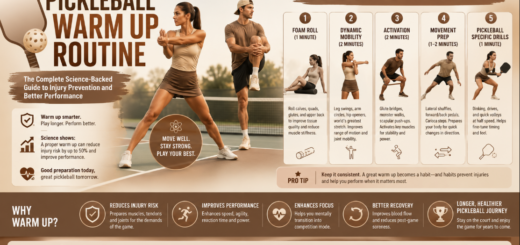
- Fix your grip before upgrading your paddle. A better paddle in the wrong grip won’t fix the touch and control issues a relaxed handshake grip would solve for free.
- Check the USA Pickleball approved equipment list if you plan to compete. This single step avoids disqualification risk entirely.
- Don’t assume hype equals performance. Read independent, side-by-side testing data rather than relying on a paddle’s price tag or pro endorsement alone.
If you’re trying to dial in your grip and paddle choice together, the gear guides and instructional content at the Pickleball Archive are a solid place to cross-check both before your next purchase.
Final Take
The most overrated pickleball paddle is almost never the worst-performing one, it’s the flagship paddle whose price tag has outpaced the actual on-court performance gap that justifies it. For most players, the smarter move is fixing grip fundamentals first, then choosing a well-reviewed mid-range all-court paddle rather than chasing the newest pro-signature release.
Hype fades fast in this sport as new paddles drop every few months; real performance, and a grip you’ve actually practiced, doesn’t.
Want help dialing in both your grip and your next paddle purchase? The equipment guides at the Pickleball Archive can help you separate genuine performance from hype before you buy.
FAQs About Pickleball Paddles
What is the #1 rated pickleball paddle?
There’s no permanent answer since rankings shift with each new release, but in mid-2026 the Honolulu J2CR Crystal Blue and the JOOLA Pro V consistently top independent testing lists depending on budget and play style. For value-focused buyers, the Vatic Pro V-Sol Pro is frequently cited as the best budget alternative that competes with much pricier paddles.
What is the coolest-looking pickleball paddle?
Aesthetic preference varies, but smaller, newer brands tend to produce the most visually striking designs, bold dual-tone colorways and unconventional graphics, compared to the more conservative branding of legacy paddle makers. Players looking to stand out visually on court often gravitate toward these newer, design-forward brands.
What is the best pickleball paddle for an average player?
A mid-range all-court paddle in the $150-$220 range typically offers the best combination of power, control, and forgiveness for recreational and intermediate players. It avoids the narrow specialization of pure power or pure control paddles that better suit advanced, more specialized play styles.
Why do 90% of pickleball players hold their paddle wrong?
The most common mistake is gripping the paddle far too tightly, usually around a 7 or 8 on a 10-point pressure scale when coaches recommend closer to a 2 or 3, which reduces touch, spin, and wrist mobility. Many players also default to an extreme or inconsistent grip style rather than the neutral Continental or Eastern handshake grip most coaches recommend as a starting point.
What is the most illegal pickleball paddle?
“Illegal” paddles are typically ones that fail USA Pickleball’s approved equipment standards, usually due to surface texture or roughness that generates spin beyond allowed limits. These are most often niche or early-production paddles from smaller brands rather than anything widely sold through major retailers, but tournament players should always confirm a paddle’s approved status before competing with it.