Should Pickleball Courts Have Age-Specific Hours?
- Age-specific court hours are a reasonable, increasingly common solution for managing real conflicts between fast, competitive play and slower-paced senior or beginner sessions, but they work best as a scheduling tool, not a permanent segregation of who gets to play when.
- The 2026 USA Pickleball rulebook introduced “clearly” legal serve language, more flexible rally scoring, stricter sportsmanship enforcement, and a formalized Adaptive Standing Division, mostly clarifications rather than dramatic overhauls.
- The 5 P’s of pickleball, Patience, Placement, Positioning, Poaching, and Power, remain the standard strategic framework taught to players at every age and skill level.
- Pickleball is generally safe for people with AFib with a cardiologist’s clearance, since regular moderate activity is linked to a reduced risk of recurrent cardiac events.
- Rule 11 in the USA Pickleball rulebook covers miscellaneous “other rules” not addressed elsewhere, including the double-hit allowance, switching the paddle between hands, net system malfunctions, and what happens with a cracked ball mid-rally.
Should Pickleball Courts Have Age-Specific Hours?
Age-specific hours make practical sense in busy, mixed-use facilities, and a growing number of clubs and parks departments are already doing some version of this informally through “social hour” or “competitive hour” scheduling. The core problem they solve is real: a fast-paced, power-driven competitive session and a relaxed, social senior session genuinely don’t mix well on the same court at the same time, and pretending otherwise just creates friction for both groups.
The better framing isn’t “age-specific” so much as pace-specific or intent-specific scheduling, since plenty of seniors play at a high competitive level and plenty of younger players prefer relaxed social games. Facilities that have implemented this successfully tend to label sessions by intensity (open social play, intermediate, advanced/competitive) rather than by age directly, which solves the actual scheduling conflict without creating an exclusionary policy that doesn’t reflect how mixed the sport’s skill distribution actually is across age groups.
What Are the New Rules for Pickleball in 2026?
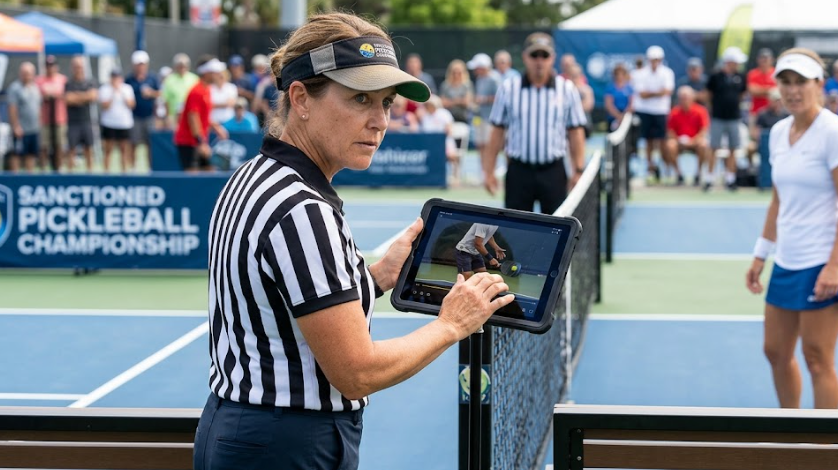
The 2026 USA Pickleball rulebook, effective January 1, 2026, is mostly clarification rather than overhaul. For most players, the 2026 rulebook does not require relearning pickleball from scratch, you’re not suddenly serving differently or losing a favorite shot. Empower Pickleball
The headline changes include: flexible rally scoring, where either the serving or receiving team can now score the game-winning point, eliminating the old “freeze” where a leading team struggled to close out a game; stricter volley serve language, adding the word “clearly” to the upward arc, paddle height, and ball contact requirements so referees rule borderline serves as faults rather than giving the server the benefit of the doubt; tougher sportsmanship enforcement, including pre-match technical fouls and clearer ejection authority for violent or abusive conduct; and a formalized Adaptive Standing Division alongside expanded wheelchair play rules, a meaningful step for inclusive play. Players who ask fans or bystanders for help with a line call may now receive a warning or a penalty, since the rulebook language changed from “should not” to “must not” regarding consulting spectators. Play Pickleball
What Are the 5 P’s of Pickleball?
The most commonly taught framework is Patience, Placement, Positioning, Poaching, and Power, used to teach strategy in roughly that order of importance for most recreational and intermediate play. Patience and Placement get the most consistent emphasis since building a rally and hitting away from an opponent wins far more points than raw force, while Positioning (working toward the kitchen line) and Poaching (intercepting a partner’s shot) are more advanced, situational skills layered on top of the fundamentals.
This framework applies across ages and skill levels, which is part of why it’s relevant to the scheduling debate above: a well-run mixed-age session can actually use the 5 P’s as a shared teaching language that works whether the group is mostly seniors focused on Patience and Placement or younger competitive players layering in more Power and Poaching.
Is Pickleball Good for AFib?
Generally yes, with a cardiologist’s clearance first. The American Heart Association notes that regular moderate activity like pickleball can help reduce the risk of recurrent cardiac events, including atrial fibrillation, while also improving blood pressure and overall cardiovascular fitness.
The more nuanced reality is that some patients do experience brief AFib episodes triggered during play, which typically resolve on their own within a few hours and don’t necessarily mean the sport is unsafe for that person specifically. The responsible approach is medical clearance first, paying attention to symptoms like chest pain or dizziness, and letting your own cardiology team guide intensity rather than relying on general advice.
What Is Pickleball Court Etiquette?
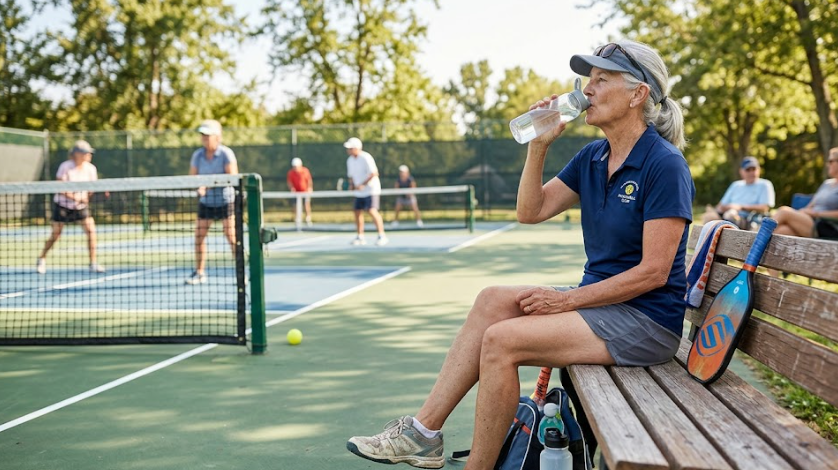
Good court etiquette covers both gameplay and social conduct. On the gameplay side, that means calling lines honestly (even against yourself), keeping score audibly so both teams agree, avoiding hard drives directly at an opponent’s body when a softer shot would do, and not stalling the game by repeatedly questioning calls without cause.
Off the court, etiquette includes respecting the paddle rack or “next up” system rather than cutting the line, keeping noise and celebration reasonable near a packed facility, offering new or struggling players encouragement rather than visible frustration, and clearing the court promptly when your session time ends so the next group isn’t left waiting. These norms matter more, not less, in mixed-age or mixed-skill sessions, where a beginner’s first impression of the sport often depends entirely on how graciously more experienced players handle the gap.
What Is Rule 11 in Pickleball?
Rule 11 in the USA Pickleball rulebook is the “Other Rules” section, a catch-all covering situations not addressed elsewhere in the rulebook. It covers what happens if a ball is cracked, the plane of the net, an injury during a match, and whether you can legally hit the ball twice with your paddle. Play Pickleball
Some of its most commonly referenced provisions: balls can be hit twice as long as it happens during a continuous, single-direction stroke by one player, a paddle may be switched from hand to hand at any time, and two-handed shots are allowed. If any player suspects the ball is or becomes broken, cracked, degraded, or soft after the serve, play must continue until the end of the rally before raising the issue, and if a player gets injured during a rally, the rally continues to its conclusion rather than stopping automatically. Rule 11 also governs net system malfunctions, including what happens if the ball hits a horizontal net bar or gets caught in a draping net. Play Pickleball + 2
Common Mistakes and Misconceptions
- Treating “age-specific hours” as exclusionary rather than pace-based. The most successful versions of this scheduling solve a pace and intensity mismatch, not an actual age restriction, and work better when framed that way.
- Assuming the 2026 rulebook changed how recreational players serve or score. Most changes are clarifications removing gray areas rather than fundamental shifts to how the game is played. Empower Pickleball
- Believing the 5 P’s are a rigid, unchangeable hierarchy. They’re a flexible teaching framework, and different coaches and players reasonably emphasize different P’s depending on style and skill level.
- Assuming any heart condition automatically rules out pickleball. Most conditions, including AFib, are increasingly managed through cleared, moderate activity rather than avoidance.
- Not knowing Rule 11 exists until a dispute happens. Many common rec-play disagreements, cracked balls, injuries mid-rally, double hits, are already directly addressed there.
A Framework for Scheduling Mixed-Age, Mixed-Skill Play
- Label sessions by pace and intensity, not strictly by age. This solves the actual conflict without creating an unnecessarily exclusionary policy.
- Designate at least one dedicated beginner or social hour per week. This protects newer or slower-paced players from being overwhelmed by competitive intensity.
- Train attendants or club leads on the current rulebook. Most disputes trace back to outdated or misunderstood rules, not actual bad faith.
- Post etiquette expectations visibly at the facility. A simple, clearly posted set of norms prevents most conflicts before they start.
- Revisit the schedule quarterly based on actual usage patterns. What works for a club’s mix of players changes as membership grows and shifts.
If you’re working on building a fair, well-organized schedule for your own club or community courts, the facility and etiquette guides at the Pickleball Archive are a solid starting point.
Final Take
Age-specific court hours aren’t really about age at all, they’re a scheduling tool for managing a real pace and intensity mismatch that exists in nearly every growing pickleball community. Framed around play style rather than age directly, they solve real friction without creating an exclusionary policy that doesn’t match how broadly skill and intensity actually distribute across age groups in this sport.
Whether you’re managing a club schedule or just trying to understand this year’s rulebook changes, the underlying goal is the same one pickleball has had from the start: more people playing, with less friction getting in the way.
If you’re building out a schedule or etiquette policy for your own courts, the facility guides at the Pickleball Archive can help you get the structure right from the start.
FAQs About Pickleball Scheduling, Rules, and Etiquette
What are the new rules for pickleball in 2026?
The 2026 rulebook introduced flexible rally scoring (either team can score the game-winning point), stricter “clearly legal” volley serve language, tougher sportsmanship enforcement, and a formalized Adaptive Standing Division for players with mobility impairments. Most changes are clarifications rather than fundamental shifts to how recreational players actually play.
What are the 5 P’s of pickleball?
The standard framework is Patience, Placement, Positioning, Poaching, and Power, taught roughly in that order of importance for most players. It’s a flexible teaching tool used across age groups and skill levels rather than a fixed hierarchy.
Is pickleball good for AFib?
Generally yes, with a cardiologist’s clearance first, since regular moderate exercise is linked to a reduced risk of recurrent cardiac events including AFib. Some patients experience brief, usually self-resolving episodes during play, which is why ongoing communication with a cardiology team matters more than general guidance.
What is pickleball court etiquette?
Good etiquette includes honest line calls, audible scorekeeping, respecting the “next up” rotation system, keeping celebration reasonable near other courts, and clearing the court promptly when your session ends. It matters especially in mixed-age or mixed-skill sessions, where graciousness shapes a beginner’s first impression of the sport.
What is rule 11 in pickleball?
Rule 11 is the USA Pickleball rulebook’s “Other Rules” section, covering situations not addressed elsewhere, including double hits during a continuous stroke, switching the paddle between hands, what happens with a cracked ball, injuries during a rally, and net system malfunctions. It’s frequently referenced in rec-play disputes even though many players don’t realize it exists until a specific situation comes up.