Is Pickleball Easier Than Tennis?
- Pickleball is easier than tennis to start playing, since its smaller court, underhand serve, and slower ball give beginners real rallies within their first session, but it’s not necessarily easier to master at a competitive level.
- People tend to prefer pickleball over tennis for three concrete reasons: a shorter learning curve, a more social playing culture, and a much lower physical barrier to entry.
- Two hours of pickleball is a genuinely solid workout, with most players burning 500 to 1,400 calories total depending on intensity and body weight, roughly comparable to two hours of moderate tennis or cycling.
- The real disadvantages of pickleball are injury risk from sudden stops and lunges (especially in older players), noise complaints in residential areas, and a rulebook that’s surprisingly more technical than tennis’s despite the easier learning curve.
- No sport has actually replaced pickleball in the US; padel is the closest rival and growing faster globally, but pickleball still dominates American participation by a wide margin.
Is Pickleball Easier Than Tennis?
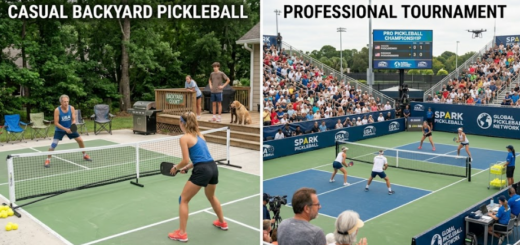
Yes, pickleball is easier than tennis to learn, primarily because of its smaller court, underhand serve, and slower-moving ball, all of which let beginners sustain real rallies within their first 15 to 30 minutes on the court. Tennis demands a much longer runway before a new player can even keep a ball in play consistently, let alone compete.
Where the “easier” label gets complicated is at the top end. Tennis is harder to learn but rewards that investment with a deeper, more physically demanding game built around endurance and power. Pickleball is easy to start but surprisingly hard to master, since high-level play shifts almost entirely to lightning-fast net exchanges, “hands battles,” where reflexes matter more than the footwork tennis trains.
Why Do People Like Pickleball More Than Tennis?
The shorter learning curve is the biggest driver. Most people can rally within minutes of picking up a paddle, while tennis typically requires real instruction before a beginner can sustain a point, which makes pickleball far more accessible for casual, drop-in play.
The social structure matters just as much. Pickleball’s open-play culture actively welcomes strangers into games on the spot, while tennis courts tend to be more reserved for players who already know each other or are closely matched in skill. Add a smaller, more forgiving court that’s gentler on aging knees and hips, and pickleball ends up appealing to a much wider range of ages and fitness levels at once.
Is 2 Hours of Pickleball a Good Workout?
Yes, two hours of pickleball is a legitimate, substantial workout for most players. Casual play burns roughly 250 to 450 calories per hour, while more competitive, high-intensity sessions can burn 600 to 700+ calories per hour, meaning two hours of moderately intense play lands most players somewhere between 600 and 1,400 total calories depending on weight and effort level.
Pickleball’s stop-start rhythm, short bursts of sprinting and lateral movement followed by brief recovery during a point, functions similarly to interval training, which experts note can be an effective cardio strategy even though the court itself is small. Two hours is a meaningful session, but pacing matters: most coaches recommend building up gradually rather than jumping straight into back-to-back two-hour blocks, especially for newer or older players still adapting to the sport’s quick directional changes.
What Are the Disadvantages of Pickleball?
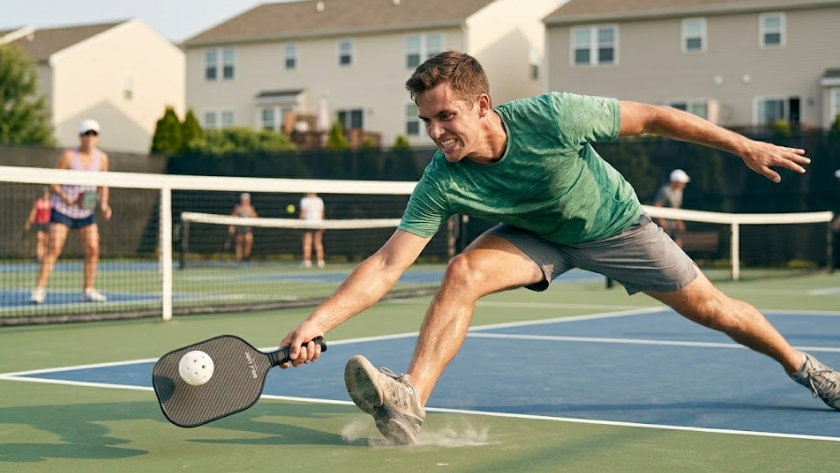
Injury risk from sudden stops and direction changes. Despite its reputation as low-impact, the sport’s quick lateral movement and lunging causes a real share of sprains, strains, and falls, especially among older players returning to athletic activity after years of inactivity.
Noise complaints in residential areas. Pickleball’s sharp, repetitive pop is objectively more disruptive to nearby homes than tennis sounds at similar volume, which has led to lawsuits, restricted hours, and even court closures in some cities.
A rulebook that’s more technical than it looks. Ironically, despite pickleball’s easy learning curve for actual play, several sources note its official rulebook, covering serve mechanics, the non-volley zone, and scoring sequences, is more detailed than tennis’s in places, tripping up players who assumed the “easy” sport meant simple rules too.
Court access competition. Rapid growth has packed public courts past capacity in many cities, leading to long waits during open play and ongoing tension with tennis communities over shared or converted court space.
A lower ceiling for raw athletic challenge. Tennis’s larger court and higher-velocity ball reward elite athleticism in a way pickleball’s smaller, slower format simply can’t replicate, which is a real drawback for players specifically seeking a high-intensity endurance sport.
Can I Play Pickleball With Osteoporosis?
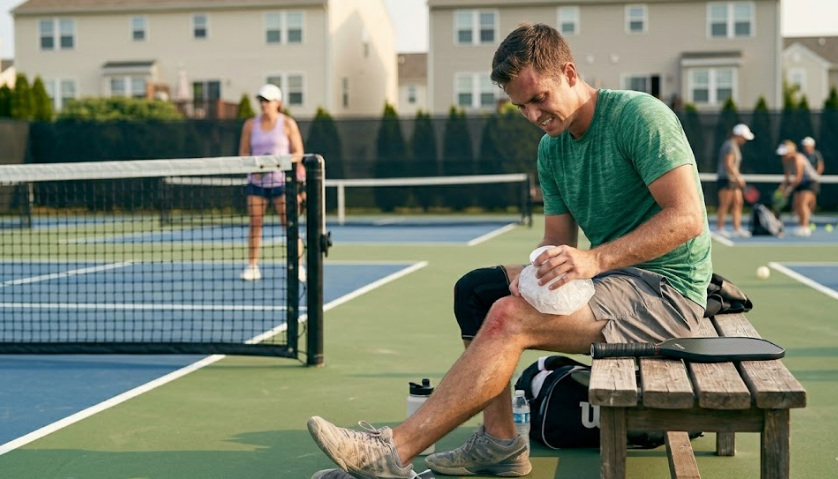
Most people with osteoporosis can play pickleball safely, since it’s a low-impact, weight-bearing activity that supports both bone density and the balance training tied to fall prevention. The real caveat is that a fall, which might be minor for someone with healthy bones, can cause a more serious fracture for someone with osteoporosis, so getting clearance from a doctor or physical therapist first, and modifying things like footwear and lunging for wide shots, matters more here than in most recreational sports.
What Is the New Sport Replacing Pickleball?
No sport has actually replaced pickleball in the US, where it remains the dominant racket sport with 24.3 million players in 2025. Padel is the closest thing to a rival, an enclosed-court hybrid of tennis and squash that’s currently growing faster than pickleball internationally, especially across Europe and Latin America, and recently picked up serious US investment, including a $15 million funding round for the Pro Padel League. In North America, though, padel is expanding alongside pickleball rather than displacing it, mostly because it requires expensive enclosed courts that can’t be retrofitted from existing space the way pickleball courts can.
Common Mistakes and Misconceptions
- Assuming “easier to learn” means “easier to master.” Pickleball’s ceiling at competitive levels is just as demanding as tennis’s, it simply rewards different skills, reflexes and touch over endurance and power.
- Underestimating injury risk because the sport looks low-impact. The quick stops and lunges that make pickleball fun are exactly what cause a meaningful share of its injuries, particularly among returning athletes over 50.
- Treating two hours of pickleball as a light activity. At moderate-to-high intensity, two hours can burn as many calories as two hours of jogging or cycling, it’s a real workout, not a casual stroll with a paddle.
- Assuming padel or any other sport is “killing” pickleball. Padel’s global growth is real, but it’s expanding the racket-sports category overall rather than pulling players away from pickleball in the US.
A Quick Framework for Choosing Between Pickleball and Tennis
- Pick pickleball if you want to be playing real points within your first session. The learning curve is dramatically shorter for actual gameplay.
- Pick tennis if a high-intensity, high-endurance workout is the primary goal. The larger court and faster ball demand significantly more cardiovascular output per hour.
- Pick pickleball if joint health or age is a major factor. Smaller court coverage and a lighter paddle make it noticeably gentler on knees, hips, and shoulders.
- Pick tennis if you want a sport with a longer competitive ceiling for raw athleticism. Pickleball’s smaller scale caps how much pure speed and power can dominate a match.
- Try both before committing, since many of the underlying skills, net awareness, soft hands, court positioning, transfer directly between the two.
If you’re leaning toward pickleball, the beginner guides and local session finders at the Pickleball Archive are a solid way to get past that first awkward week faster.
Final Take
Pickleball is easier than tennis in the way that matters most to beginners, you’ll actually be playing real points almost immediately, but that doesn’t make it a lesser sport once you climb past the beginner stage. The real tradeoffs come down to what you’re looking for: a faster on-ramp and gentler workout with pickleball, or a steeper climb that pays off in raw athletic demand with tennis.
Either way, two hours on either court is a legitimate workout, and no emerging sport, padel included, has actually pulled players away from pickleball’s continued growth in the US.
Ready to give pickleball a real try? The beginner-friendly session finders and drills at the Pickleball Archive can help you skip past the awkward first few games.
FAQs About Pickleball vs. Tennis
Why do people like pickleball more than tennis?
The biggest reasons are a much shorter learning curve, a more social and welcoming open-play culture, and a smaller, slower-paced court that’s easier on aging joints. Tennis remains the better fit for players specifically seeking high-intensity endurance training or a deeper traditional competitive structure.
Is 2 hours of pickleball a good workout?
Yes, two hours of pickleball at moderate-to-high intensity can burn anywhere from roughly 600 to over 1,400 total calories depending on body weight and effort level, comparable to two hours of jogging or cycling. The stop-and-start rhythm of points functions similarly to interval training, which adds genuine cardiovascular benefit beyond just the calorie count.
What are the disadvantages of pickleball?
The main disadvantages are injury risk from sudden lateral movement and lunging (especially for older or deconditioned players), noise complaints that have led to lawsuits and court restrictions in some cities, and a rulebook that’s surprisingly more technical than tennis’s despite the easier learning curve for actual play. Court access has also become a real issue in cities where demand has outpaced new construction.
Can I play pickleball with osteoporosis?
Most people with osteoporosis can play pickleball safely, since it’s low-impact and weight-bearing, which supports bone density and balance. The main added risk is that a fall can cause a more serious fracture than it would for someone with stronger bones, so a doctor’s clearance and basic modifications, like proper footwear and avoiding aggressive lunges, are recommended before starting.
What is the new sport replacing pickleball?
No sport has replaced pickleball in the US, where it remains the dominant racket sport with 24.3 million players in 2025. Padel is the closest contender and is growing faster internationally, but in North America it’s expanding alongside pickleball rather than taking its place.