Overhand Serving in Pickleball: What the Rules Actually Say
Can you overhand serve in pickleball? No, you cannot overhand serve in pickleball under standard USA Pickleball rules. All serves must use an upward swinging motion, with contact made below your waist and with the paddle head below your wrist.
Key Takeaways
- Overhand serves are explicitly prohibited under USA Pickleball rules in recreational and standard tournament play.
- Three technical requirements govern every legal serve: upward paddle motion, paddle head below the wrist, and contact below the navel.
- The drop serve offers more flexibility than most players realize, including swing styles that approach sidearm motion.
- Overhand shots are completely legal during regular rally play, including smashes and overhead spikes.
- Major League Pickleball introduced a limited overhand serve exception in 2024, but this applies only to MLP competition formats.
- Understanding legal serving rules helps you build a stronger, more strategic serve without risking faults or penalties.
Why USA Pickleball Bans the Overhand Serve
The prohibition on overhand serving is one of the most intentional rules in the sport. Pickleball was not designed to mirror tennis. Instead, it was built around net play, strategic exchanges, and accessibility for a wide range of skill levels and ages.
Allowing a serve that functions as an offensive weapon would fundamentally shift the game away from those principles. Therefore, USA Pickleball’s official rulebook is explicit about this. The serve must be made with an upward arc, meaning your paddle has to be moving upward at the moment of contact. This single requirement alone eliminates the mechanics of an overhand serve, which by definition involves a downward or forward swing.
The design logic extends beyond just aesthetics. In tennis, a high-velocity overhand serve is often a match-deciding weapon. Elite servers in professional tennis regularly clock serves above 120 mph. A returner needs split-second reflexes just to get the paddle on the ball. That kind of serve-dominance essentially removes the rallying game.
Pickleball was designed to preserve exactly that—the rallying game. The non-volley zone, the two-bounce rule, and the strategic kitchen game all reinforce the same philosophy: pickleball rewards placement, patience, and skill in extended exchanges. Additionally, a legal overhand serve would gatekeep the return game and favor players with elite athleticism. This would reduce the equalizing appeal that has made pickleball the fastest-growing sport in the United States for several consecutive years.
The Three Technical Requirements for a Legal Serve
To fully understand why overhand serving is prohibited, you need to know what makes a serve legal. USA Pickleball specifies three distinct requirements. All three must be met simultaneously.
| Requirement | Rule | Why It Matters |
|---|---|---|
| Upward Paddle Motion | Paddle must be moving upward at contact | Prevents downward smashing mechanics |
| Paddle Head Position | Paddle head must be below the wrist at contact | Eliminates over-the-top swing paths |
| Contact Height | Ball contact must be below the waist (navel) | Forces serve to originate from a lower position |
Failing any single one of these requirements results in a fault. You do not need to violate all three for the serve to be called illegal. An experienced referee or opponent can challenge any part of your serving motion if it appears to violate even one element.
This is why players who come from a tennis background often struggle to adjust. The instinct to swing forward and down runs directly against the rules. So does the instinct to toss the ball high and meet it at shoulder height.
Common Misconceptions About Serving Rules
A few things trip players up more often than others:
- “Below the waist” means below the hip. It does not. USA Pickleball specifically defines the waist as the navel. Contact must happen below your belly button.
- Wrist position is about the paddle head, not the handle. The paddle head, meaning the face of the paddle, must be below your wrist at contact. Holding the paddle at a downward angle while your wrist is high does not make the serve legal.
- Speed does not make a serve illegal. A hard, fast underhand serve is perfectly legal. All three contact requirements simply need to be met.
The Drop Serve: More Freedom Than You Think When You Overhand Swing
One of the most significant changes USA Pickleball has made in recent years is the permanent addition of the drop serve to the rulebook. The drop serve gives players substantially more flexibility in how they swing through the ball.
Here is the critical distinction: with the drop serve, the three standard contact requirements are waived entirely. You must still drop the ball, but once the ball bounces, you can swing through it without worrying about paddle head position, upward motion, or precise contact height.
This opens the door to serve mechanics that were previously unavailable:
- Sidearm-style swings after the bounce are legal under drop serve rules.
- A heavier topspin swing that follows through in a more aggressive, tennis-influenced path is permitted.
- Slice serves with more lateral swing motion become possible.
None of these count as answering yes to can you overhand serve in pickleball under standard rules. However, the drop serve does give advanced players room to develop more dynamic, varied serves without violating the rulebook.
The waiver of the three contact requirements applies specifically because the ball has already bounced before contact. The bounce neutralizes the concern about using downward force directly on a tossed ball.
The MLP Exception: Can You Overhand Serve in Professional Pickleball?
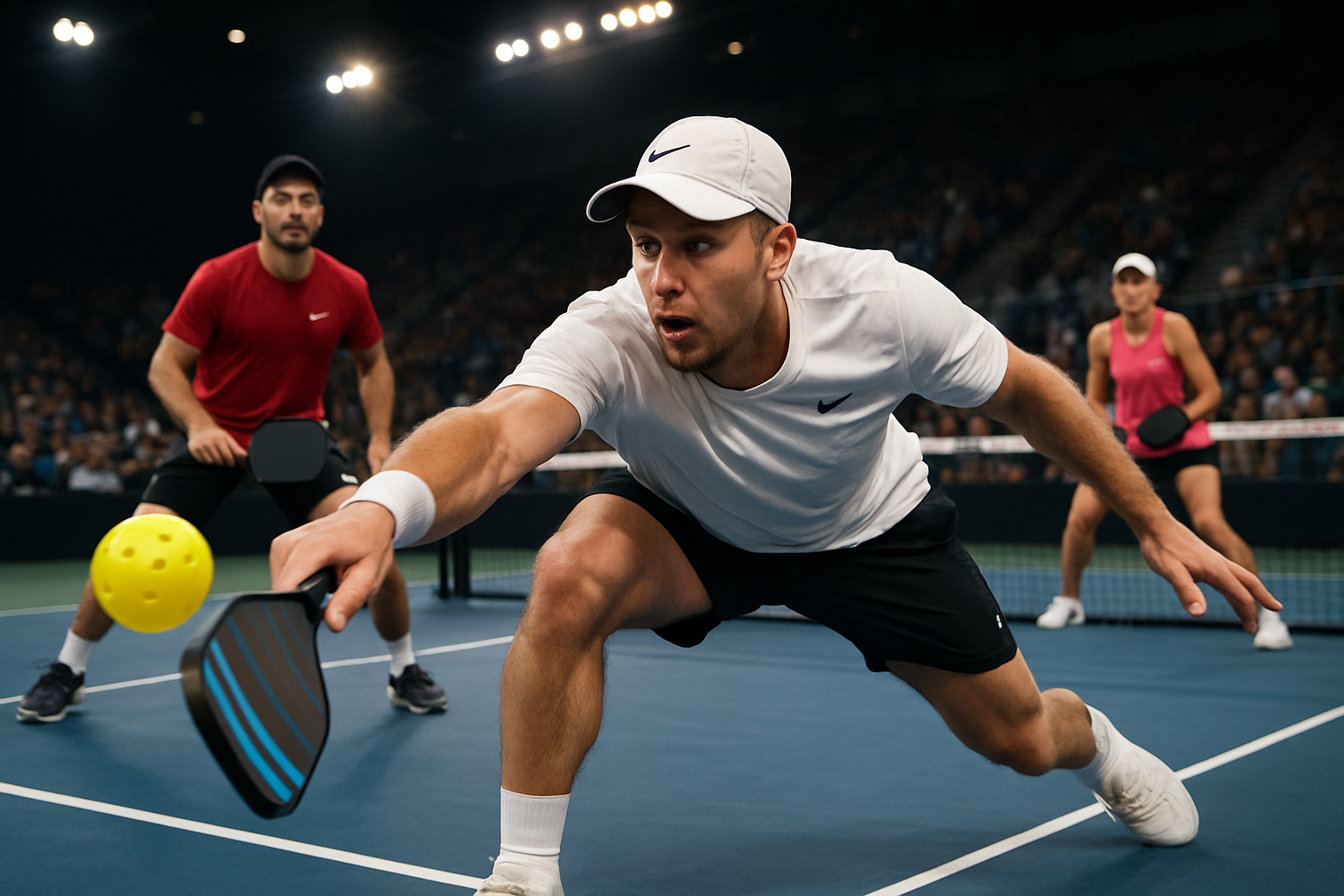
This is where the answer to can you overhand serve in pickleball becomes slightly more layered. Major League Pickleball introduced a rule change in 2024 that permits overhand serves under specific conditions within MLP competition.
This is a significant departure from standard rules, but the context matters enormously. MLP is a professional league operating with its own format decisions. The overhand serve exception applies exclusively to MLP matches. It does not carry over to recreational open play at your local courts.
Furthermore, it does not apply to USA Pickleball-sanctioned tournaments, DUPR-rated competitive events outside MLP, or club leagues and organized amateur play. If you are playing anywhere other than an official MLP match, the overhand serve remains prohibited.
The MLP change sparked real debate in the pickleball community. Supporters argue it adds a new dimension of athleticism to professional play. They believe it makes the sport more appealing to audiences familiar with tennis. Critics worry it creates a bifurcated ruleset that confuses players. In addition, they argue it undermines the original accessibility-first design of the game.
Whether MLP’s exception eventually influences USA Pickleball’s standard rules remains to be seen. For now, treat them as entirely separate governing bodies with distinct rules.
Overhand Shots During a Rally Are Completely Legal
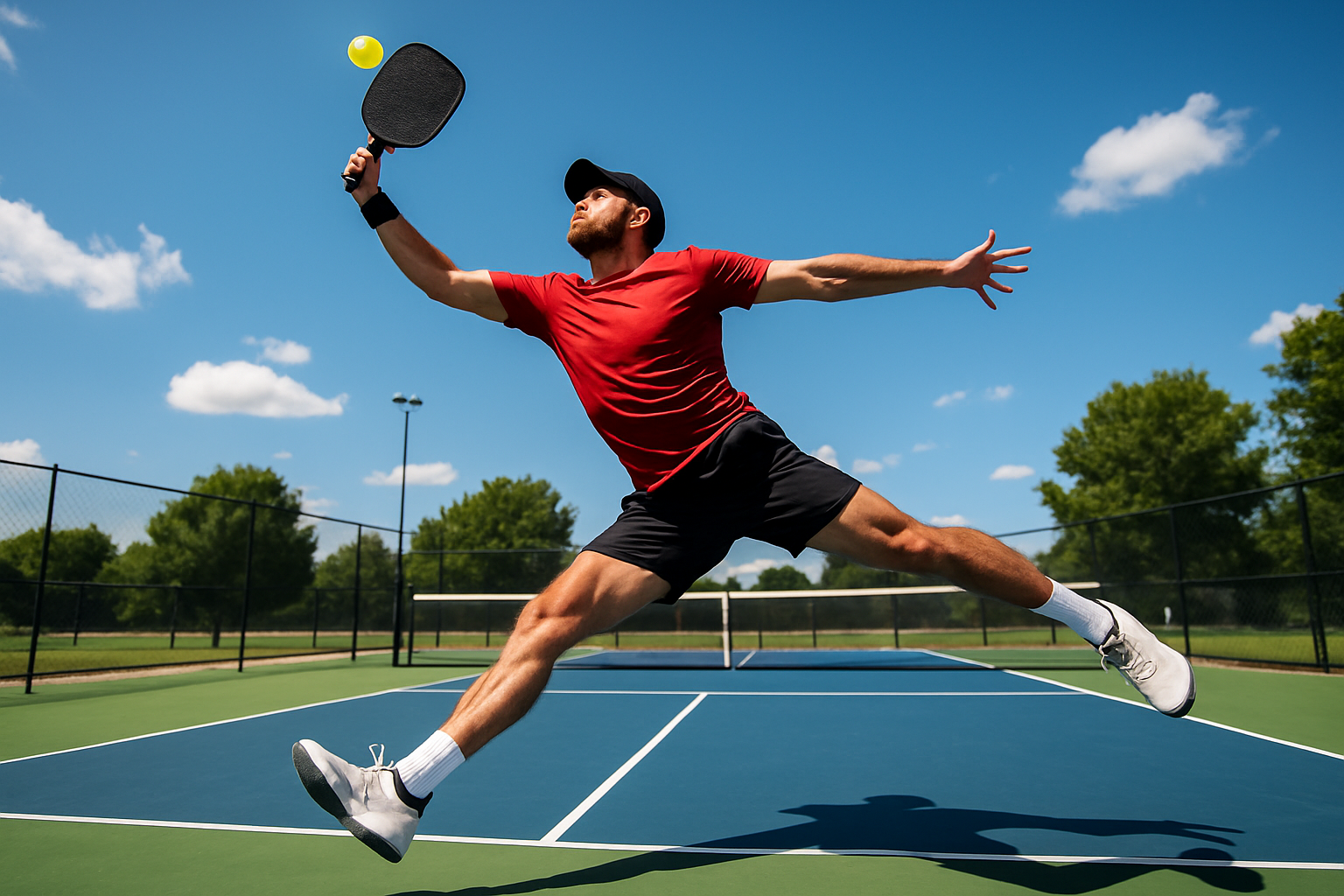
Here is a distinction that confuses a lot of new players: the overhand serving restriction applies only to the serve itself. Once the rally is in progress, overhand shots are fair game. Moreover, they are a critical part of advanced play.
You can and should use overhead smashes when you get a high, attackable ball. These shots are some of the most decisive plays in the game. A well-executed overhead at the transition zone or from the baseline can end a point cleanly. There is nothing in the rulebook that restricts your swing mechanics once the serve has been returned and the rally has begun.
The only real overhead restriction during a rally involves the kitchen: you cannot volley any ball while standing inside the non-volley zone. However, that applies to all volleys, not just overheads. It is a separate rule from the serving prohibition.
Key overhand shots that are completely legal during play:
- Overhead smashes at any position outside the kitchen
- Jump smashes where you leave the ground to attack a lob
- Aggressive put-away shots on high floating returns
- Hard reset attempts at pace from the baseline
Things to Know
- The drop serve waiver only applies when the ball is dropped naturally. Adding upward force to the drop, even slightly, makes the serve illegal.
- USA Pickleball defines the waist as the navel, not the hip. Many players misjudge this and contact the ball too high.
- A spin serve, where players used their non-paddle hand to impart spin before releasing the ball, was banned by USA Pickleball in 2023. The ball must be released cleanly without added spin from the hand.
- The paddle head position rule trips up players who angle their paddle steeply downward but keep their wrist low. The paddle head (the face) itself must be below the wrist.
- Referees and line judges at sanctioned tournaments are specifically trained to watch serving mechanics. Repeated illegal serves result in faults, not warnings.
- The MLP overhand serve rule applies to singles and doubles formats within MLP events. It does not apply even in MLP’s recreational community events.
Frequently Asked Questions
Q: What happens if you accidentally serve overhand in a recreational game?
In casual recreational play, the result depends on whether anyone calls it. However, in sanctioned play, an illegal serve is an automatic fault. If your opponent or a referee identifies the serve as illegal, the point is awarded to the other side.
In a friendly game without a referee, most players will simply call a re-serve or replay the point. However, repeated illegal serving in competitive settings results in point penalties.
Q: Can you serve with a forehand motion in pickleball?
Yes, a forehand underhand serve is completely legal. It must meet all three contact requirements. The direction of your stance or grip does not determine legality. What matters is that your paddle moves upward at contact, the paddle head stays below your wrist, and contact happens below your navel.
Many players use a forehand grip for their underhand serve. In fact, they find it more natural than a traditional backhand underhand motion.
Q: Is a sidearm serve legal in pickleball?
A sidearm serve may be legal under the drop serve rules. However, it is more likely to violate the upward motion requirement under the traditional serve format. With a traditional serve, the paddle must be moving upward at contact. A pure sidearm motion involves lateral swing, not upward swing, which could be called illegal.
Under drop serve rules, however, the three contact requirements are waived. This gives you much more lateral swing freedom after the ball bounces.
Q: Why did Major League Pickleball allow overhand serves?
MLP introduced the overhand serve to increase the athleticism and entertainment value of professional-level play. Furthermore, it differentiates the pro game from recreational play. The change reflects MLP’s goal of making professional pickleball more compelling for television audiences and fans familiar with tennis.
The league operates with its own ruleset. This particular change does not affect USA Pickleball-governed events or recreational play in any way.
Q: Can you toss the ball up high and serve it like a tennis serve in pickleball?
No. Tossing the ball upward and hitting it at shoulder height or above violates the contact height rule. Contact must be below the navel. Even if your paddle were moving upward at that height, contact above the navel is an automatic fault.
A high toss followed by an overhead swing is precisely the motion the serving rules were designed to prevent.
The Bottom Line on Can You Overhand Serve in Pickleball
Under USA Pickleball’s standard rules, the answer remains a clear no. The three contact requirements work together to make overhand serving structurally impossible in standard play. That said, the drop serve gives you meaningful freedom to develop a more dynamic serving game.
Moreover, MLP’s 2024 exception shows that professional play is evolving in ways worth watching. Your next step is simple: if your serve has felt a little too mechanical or predictable, spend time experimenting with the drop serve in your next practice session.
Work on different swing angles, spin variations, and placement targets. You may not be able to overhand serve, but a well-developed drop serve can absolutely keep your opponents guessing.