What’s Ruining Pickleball Right Now?
- The single biggest thing genuinely straining pickleball right now is noise, court conflicts have escalated into formal complaints, petitions, and lawsuits in places like Belfast, Maine, The Villages, Florida, and several California and Massachusetts communities throughout 2025 and 2026.
- Pickleball is not losing popularity; participation hit 24.3 million Americans in 2025, and the sport has moved from “viral hype” into a genuine, institutionally backed business with formal governance and global tour infrastructure.
- Cities aren’t banning pickleball broadly, they’re restricting specific courts over noise and proximity to homes, a narrow, local response rather than a rejection of the sport itself.
- Pickleball is generally safe for people with AFib with a cardiologist’s clearance, since regular moderate activity is linked to a reduced risk of recurrent cardiac events.
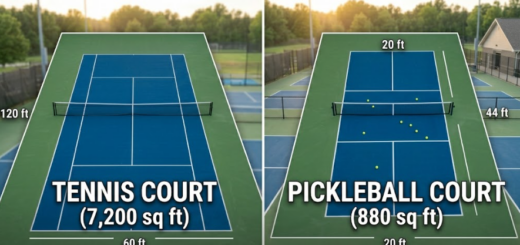
- For most seniors, pickleball is the more accessible choice due to its smaller court and lower joint impact, though tennis offers a higher-intensity cardiovascular workout for those who can handle it.
What’s Ruining Pickleball Right Now?
If there’s one thing genuinely straining pickleball’s reputation in 2026, it’s noise, not declining interest, not a lack of athleticism, not competition from other sports. The distinctive high-frequency “pop” of paddle hitting ball travels farther and penetrates walls more easily than a tennis ball’s softer thud, and as courts have multiplied near residential neighborhoods, that sound has become the center of formal complaints, petitions, and even lawsuits across the country.
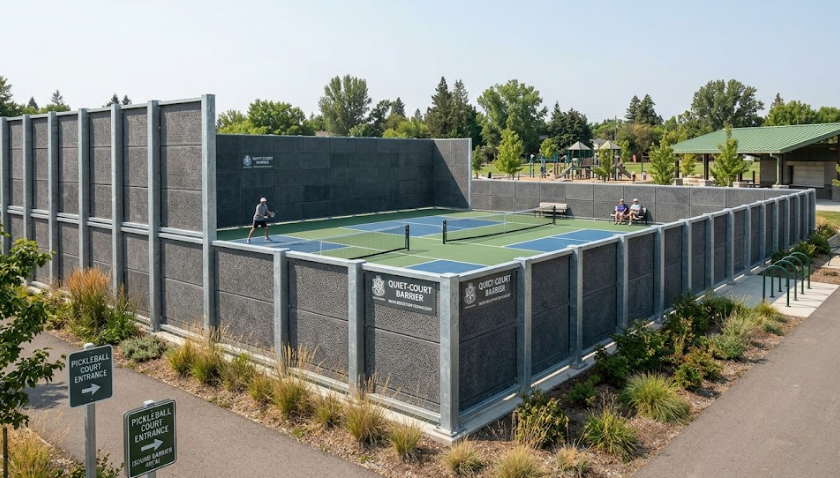
Recent examples make the scale of this clear. In Belfast, Maine, neighbors near City Park filed a formal complaint in June 2026 describing the noise as making their home “uninhabitable,” with one resident telling the city council, “There is no reprieve.” In The Villages, Florida, hundreds of residents signed a petition in March 2026 over courts near the Saluki Recreation Center, even though decibel readings measured roughly 50dB, comparable to light rain or an office setting. Similar conflicts have played out in San Diego, Falmouth (Massachusetts), Naples (Florida), Santa Rosa (California), and Bainbridge Island (Washington), with cities responding through sound barriers, restricted hours, relocated courts, and in some cases, court closures.
Is Pickleball Losing Its Popularity?
No, and the data is unambiguous on this point. For the past few years, pickleball has been easy to dismiss as a trend, a retirement community pastime gone viral, the sport that turned every empty tennis court into a source of noise complaints. That narrative is officially over: in 2026, pickleball stopped being a boom and started being a business, with institutional capital, global tour infrastructure, and formal governance. US participation reached 24.3 million Americans, with $225 million in institutional investment and 282 million monthly active players across Asia. HawaiipickleballHawaiipickleball
The “pickleball is dying” argument typically stems from struggling indoor pickleball facilities being used as evidence of shrinking demand, but that logic skips a key step: private indoor facilities took on significant debt assuming growth would continue indefinitely, and some of those assumptions were wrong. That’s a real estate and business model issue, not a participation issue, since most pickleball is actually played outdoors on public courts, parks, and rec centers that existed long before the sport’s surge. Empower Pickleball
Why Are They Banning Pickleball?
Outright sport-wide bans are rare; what’s actually happening is narrower and more local. Several communities across the US have shut down specific courts after sustained noise complaints and lawsuits, but outright sport-wide bans remain rare, court closures and permanent restrictions on hours, equipment, or court count have become the more common response in small municipalities and HOAs. Spinwavepickleball
Carmel-by-the-Sea, California temporarily banned pickleball at its only public courts in October 2025 after years of resident noise complaints, and Lake Oswego, Oregon took similar action at its George Rogers Park. These are acoustics-driven, court-specific decisions tied to proximity to homes, not evidence that cities or residents are rejecting the sport broadly, in fact, most of the same petitions and complaints explicitly ask for noise mitigation rather than a shutdown of play altogether.
What Is the New Sport Replacing Pickleball?
No sport has replaced pickleball domestically, where it remains the dominant racket sport in the country. Padel is the most frequently cited contender and is genuinely growing faster on a global scale, expanding rapidly across Europe and Latin America and drawing serious US investment, including a $15 million Series A round for the Pro Padel League.
In North America specifically, padel is expanding alongside pickleball rather than displacing it, largely because its enclosed glass courts cost significantly more to build than pickleball’s simple, easily repurposed footprint. The two sports are growing in parallel rather than competing for the exact same space.
Is Pickleball Good for AFib?
Generally yes, with a cardiologist’s clearance first. The American Heart Association notes that regular moderate activity like pickleball can help reduce the risk of recurrent cardiac events, including atrial fibrillation, while also improving blood pressure and overall cardiovascular fitness.
The more nuanced reality is that some patients do experience brief AFib episodes triggered during play, which typically resolve on their own within a few hours and don’t necessarily mean the sport is unsafe for that person specifically. The responsible approach is the same one cardiologists recommend for any condition: get cleared before starting, watch for symptoms like chest pain or dizziness, and let your own cardiology team guide intensity rather than relying on general advice.
Which Is Better for Seniors, Tennis or Pickleball?
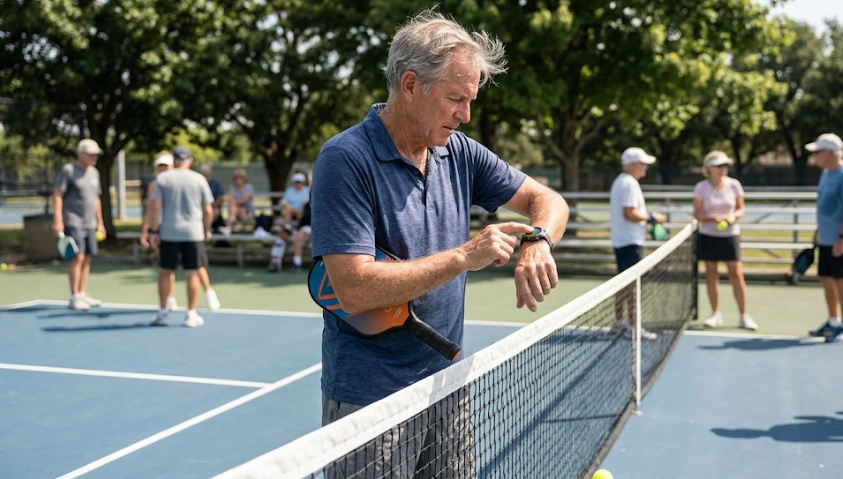
For most seniors, pickleball is the more accessible choice, largely due to its smaller court, slower ball, and lack of an overhead serve requirement. Pickleball may be a better option for older folks who haven’t been active for a while, due to its easier learning curve, smaller court size, and lack of need for an overhead serve, since playing tennis later in life often requires more physical adjustments than pickleball does. Emory Healthcare
Tennis isn’t off the table for seniors by any means, in fact, research on aging athletes shows that multidirectional movement improves neuromuscular coordination and balance, key for preventing falls, and both sports offer this benefit, though tennis does so at a higher intensity. The honest answer is that pickleball may be the better choice for those prioritizing joint comfort and ease of play, while tennis may offer greater benefits for cardiovascular fitness and bone strength thanks to its higher intensity, with the best choice for longevity ultimately being whichever sport someone enjoys enough to play consistently without injury. AgeMateAgeMate
Common Mistakes and Misconceptions
- Assuming noise complaints mean the sport itself is unwanted. Most petitions and complaints explicitly request noise mitigation, not a ban on play, the distinction matters for understanding the actual conflict.
- Treating struggling indoor facilities as proof of declining interest. That’s a business and real estate story tied to overbuilt private clubs, not a reflection of actual participation numbers, which keep climbing.
- Believing local court bans represent a broader rejection of pickleball. These are narrow, acoustics-driven decisions tied to specific locations, not citywide or nationwide judgments on the sport.
- Assuming any heart condition automatically disqualifies someone from playing. Most conditions, including AFib, are increasingly managed in part through cleared, moderate pickleball play rather than avoidance.
A Framework for Thinking About Pickleball’s Current Challenges
- Separate noise as an infrastructure problem, not a sport problem. Smart court placement, sound barriers, and quiet-rated equipment solve most of this without anyone needing to stop playing.
- Distinguish business news from participation news. Facility closures are a separate story from how many people are actually picking up a paddle.
- Read local court restrictions as narrow, not symbolic. A single court’s hours or status doesn’t reflect broader sentiment about the sport.
- Get medical clearance before assuming a condition rules out play. Most heart and joint conditions are increasingly managed through, not despite, regular moderate activity.
- Match the sport to the person, not the headlines. Whether it’s tennis, pickleball, or both, consistency and enjoyment matter more for long-term health than which sport “wins” the comparison.
If you’re navigating any of these questions for yourself or a loved one, the club finders and beginner guides at the Pickleball Archive can help you find well-managed, well-placed courts built with these exact challenges in mind.
Final Take
What’s actually “ruining” pickleball right now isn’t declining interest or a lack of athleticism, it’s a genuine, solvable infrastructure problem: noise, court placement, and the growing pains of a sport that exploded faster than most cities planned for. The participation numbers, investment landscape, and global growth all point to a sport that’s thriving, not fading, even as individual neighborhoods work through real, valid noise concerns.
The smartest cities are already solving this through better court placement and quieter equipment rather than blanket bans, which suggests the current friction is a planning problem the sport will likely grow past, not a sign of any deeper trouble.
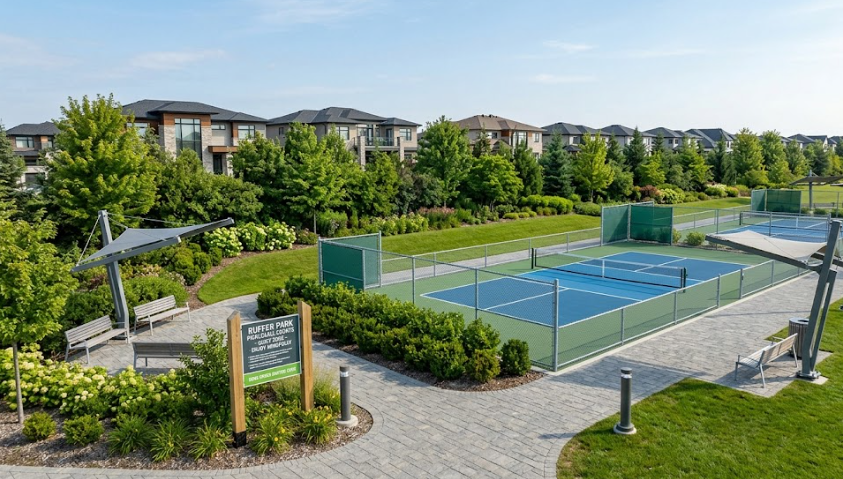
Looking for well-placed, well-managed courts near you? The facility finders at the Pickleball Archive can help you find locations built with these exact considerations in mind.
FAQs About Pickleball’s Current Challenges
Is pickleball losing its popularity?
No, US participation reached 24.3 million players in 2025, and the sport has moved from a viral trend into an institutionally backed business with global tour infrastructure. The “decline” narrative mostly traces back to struggling indoor facilities, a business and real estate story, not a drop in actual participation.
Why are they banning pickleball?
Outright bans are rare; most restrictions are narrow, court-specific responses to noise complaints from nearby residents, like Carmel-by-the-Sea, California and Lake Oswego, Oregon. These decisions are driven by acoustics and proximity to homes, not a broader rejection of the sport.
What is the new sport replacing pickleball?
No sport has replaced pickleball in the US, where it remains dominant. Padel is the closest contender and is growing faster internationally, but domestically it’s expanding alongside pickleball rather than displacing it.
Is pickleball good for AFib?
Generally yes, with a cardiologist’s clearance first, since regular moderate exercise is linked to a reduced risk of recurrent cardiac events including AFib. Some patients experience brief, usually self-resolving episodes during play, which is why ongoing communication with a cardiology team matters more than general guidance.
Which is better for seniors, tennis or pickleball?
Pickleball is generally the more accessible choice for seniors due to its smaller court, slower ball, and lower joint impact, while tennis offers a higher-intensity cardiovascular and bone-density benefit for those who can handle it. The better long-term choice is whichever sport someone genuinely enjoys enough to keep playing consistently.